Drapes vs Curtains: The Difference That Matters
Drapes are lined, weighted and full; curtains are light and often unlined. What the 2.5x fullness rule and a lining do to a 48 in (122 cm) window.
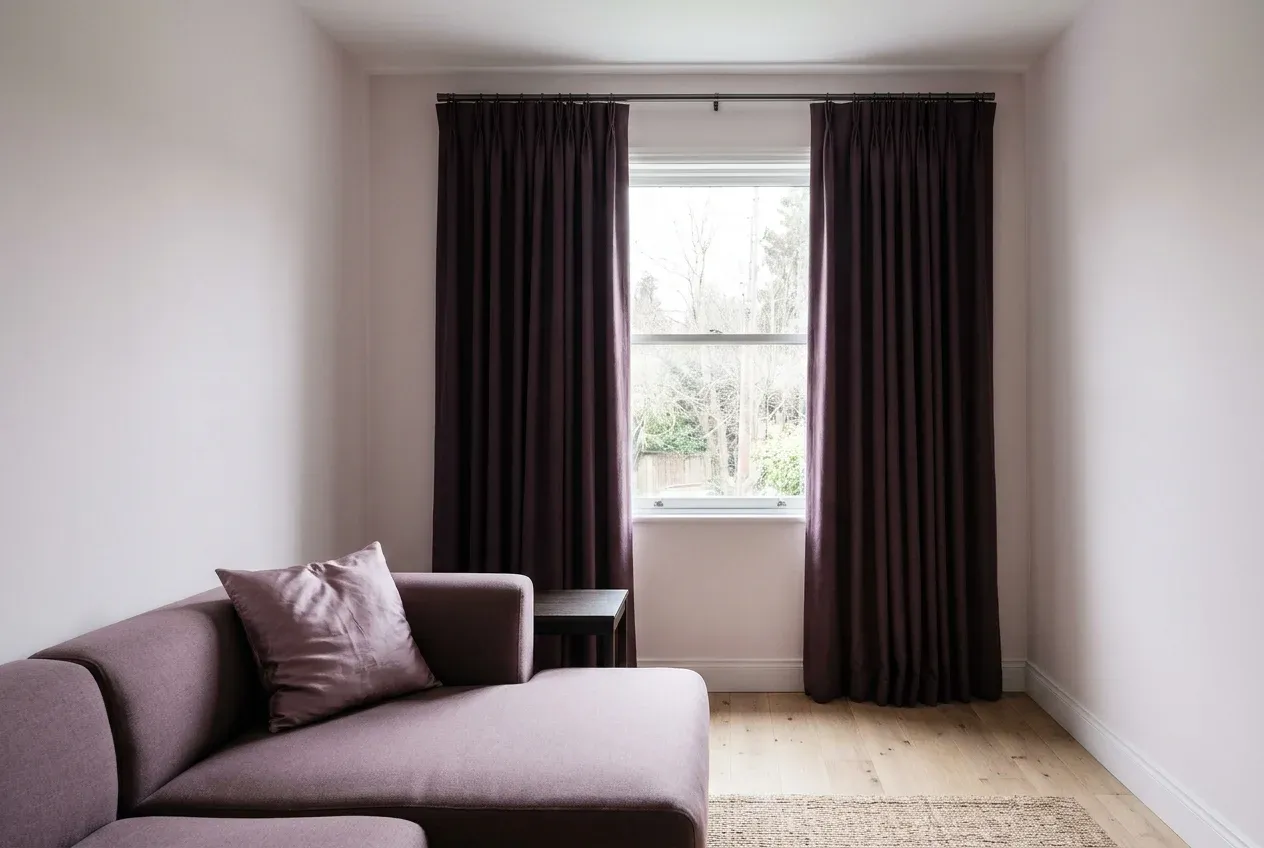
Room specifications
- Room ScaleSmall living room (about 10 x 12 ft) with one 48 in (122 cm) window
- Design StyleMoody Tailored
- Budget TierMid-Range ($$)
- Palette Swatches4 colors
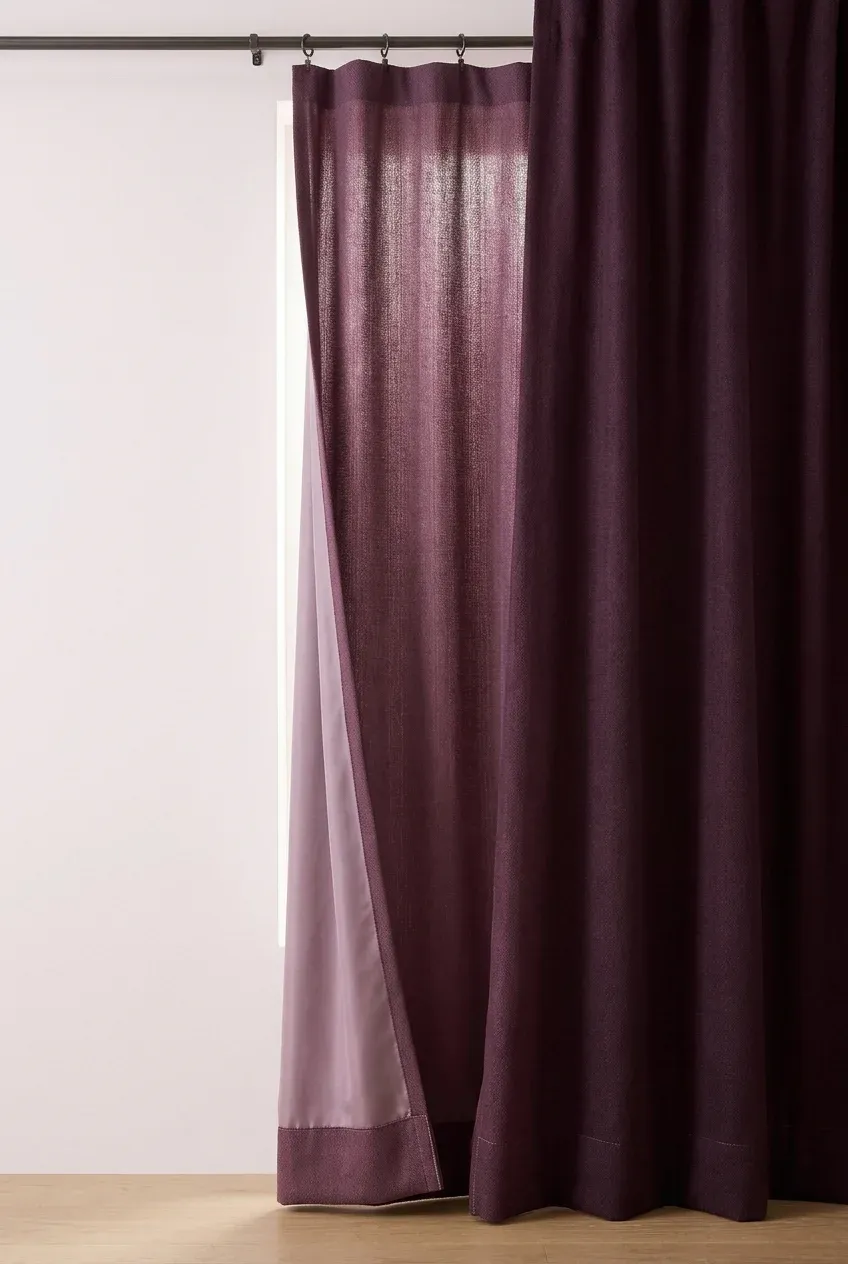
Drapes are lined, heavier, floor-length panels made to hang in full folds and control light. Curtains are lighter, usually unlined, and hang with minimal pleating. Retail listings often mix the two terms, but lining and weight change how a panel behaves on a small window.
An unlined curtain filters daylight and moves when a radiator or window is open. A lined drape hangs in straight columns, reduces glare and cold, and frames the room more formally. Colour matters too, as the curtain colour guide explains, but fabric weight and lining decide how the panel falls. Once you know which you want, the standard curtain sizes chart gives the panel widths and lengths.
Lining is the real difference
A stitched cotton or poly-cotton lining separates a true drape from a basic curtain. It protects dyed fabric, especially deep tones, from sun fading on bright windows, and it adds body so the folds stay even rather than collapsing inward.
| Treatment | Lining and weight | Light and warmth |
|---|---|---|
| Standard curtain | Unlined, light hem | Softens daylight, little insulation |
| Lined drape | Cotton sateen or similar lining, weighted hem | Cuts glare, holds crisp folds |
| Blackout or thermal drape | Bonded or foam-backed lining | Very dark room, helps reduce drafts |
For bedrooms facing streetlamps, see the blackout curtain guide for sealing side light leaks.
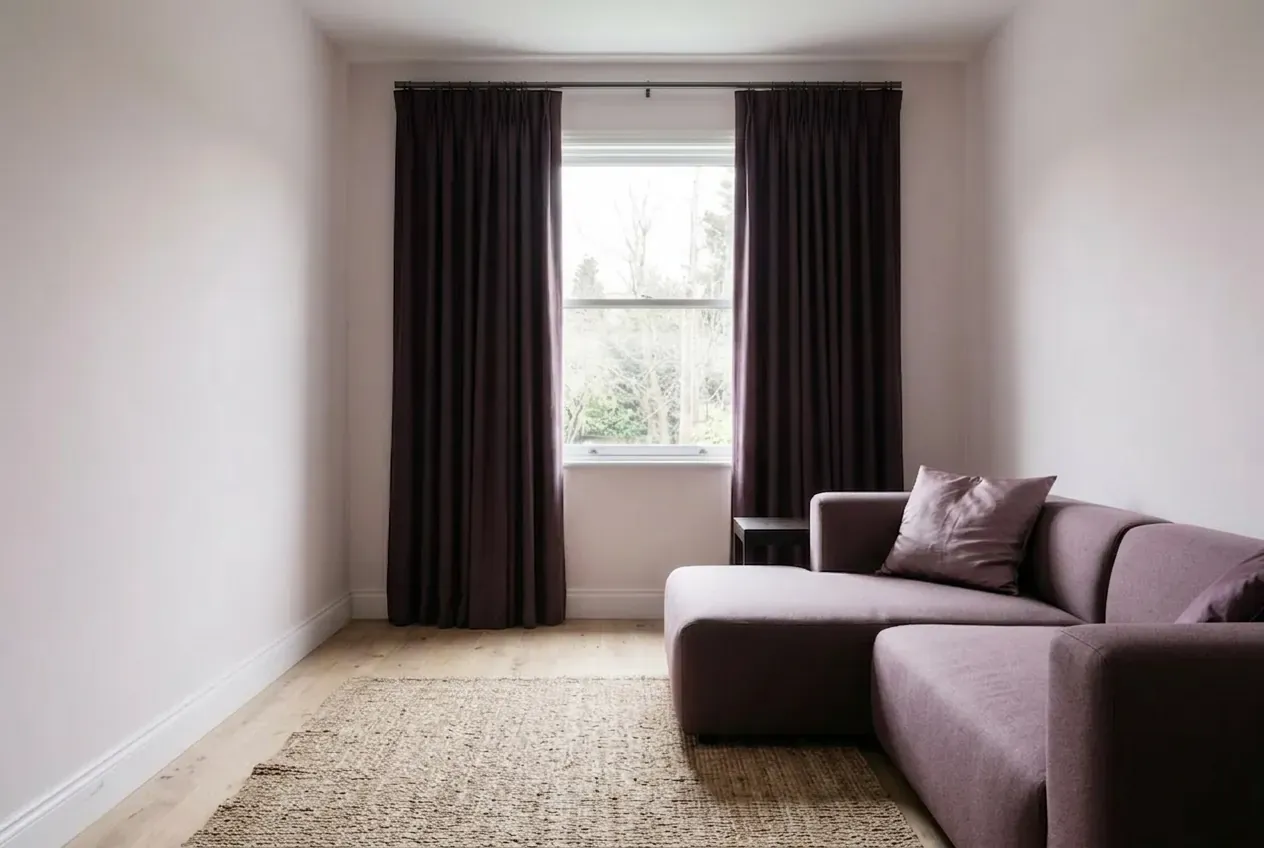 The same room seen from the opposite end, so you can judge the layout from the far side.
Fullness matters more than most people expect
Fullness is the ratio of flat fabric width to rod length. Curtains look acceptable at about 1.5 to 2 times, because thin fabric gathers tightly. Drapes need about 2 to 2.5 times. On a 48 in (122 cm) window, two 50 in panels give 100 in of fabric, barely 2 times. At 120 in (305 cm), the folds stay full even when the drapes are closed. Narrower panels stretch flat like a bedsheet.
Which one for which room
- Living room and bedroom: lined drapes, where calm vertical lines make an 8 ft ceiling feel taller and warmth matters.
- Kitchens and humid bathrooms: lightweight curtains, which dry quickly and do not hold steam or cooking smells.
- Short windows above a radiator: sill-length curtains, because heavy fabric near a heat source is a poor idea.
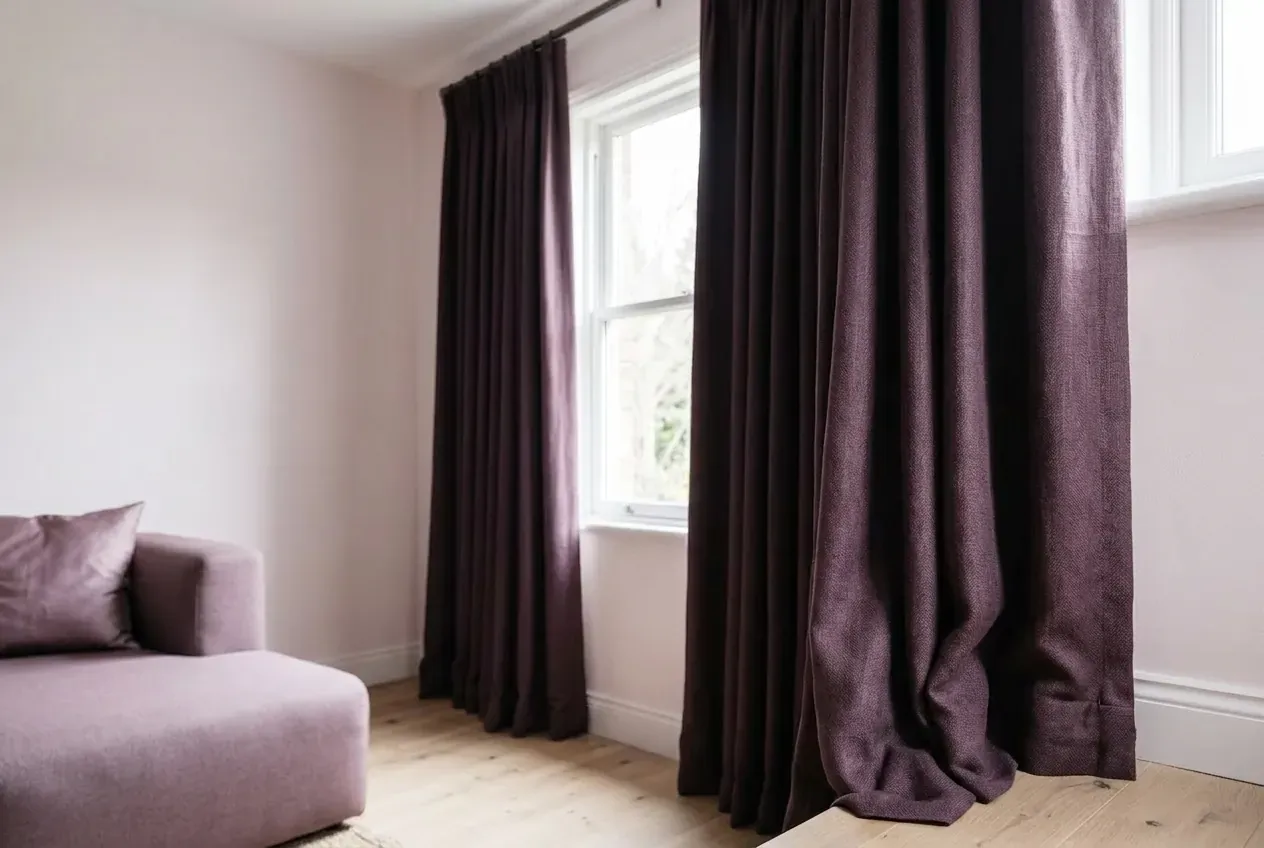 Close up: Order panels at 2.5x the rod width, so a 48 in (122 cm) window needs 120 in (305 cm) of fabric across two panels to read as drapes rather than curtains.
Typical drape specification for a 48 in window
- Rod width: about 64 in (163 cm), extending 8 in (20 cm) beyond the glass on each side.
- Total fabric width: about 120 in (305 cm) across two panels.
- Hem: a double-turned bottom hem, with corner weights if the maker offers them.
Hardware that keeps the fullness
- Rings or back tabs. Heavy lined drapes glide better on rings than through a tight rod pocket.
- Pleated headers. Pinch or tailored pleats keep the spacing even across the full width.
- A centre bracket. Any rod over about 48 in carrying lined drapes should have one, fixed into a stud or a rated anchor, to avoid bowing.
- Proper anchors. Lined and thermal panels are heavy. Use studs or hollow-wall anchors rated for the load, not push-in plastic plugs.
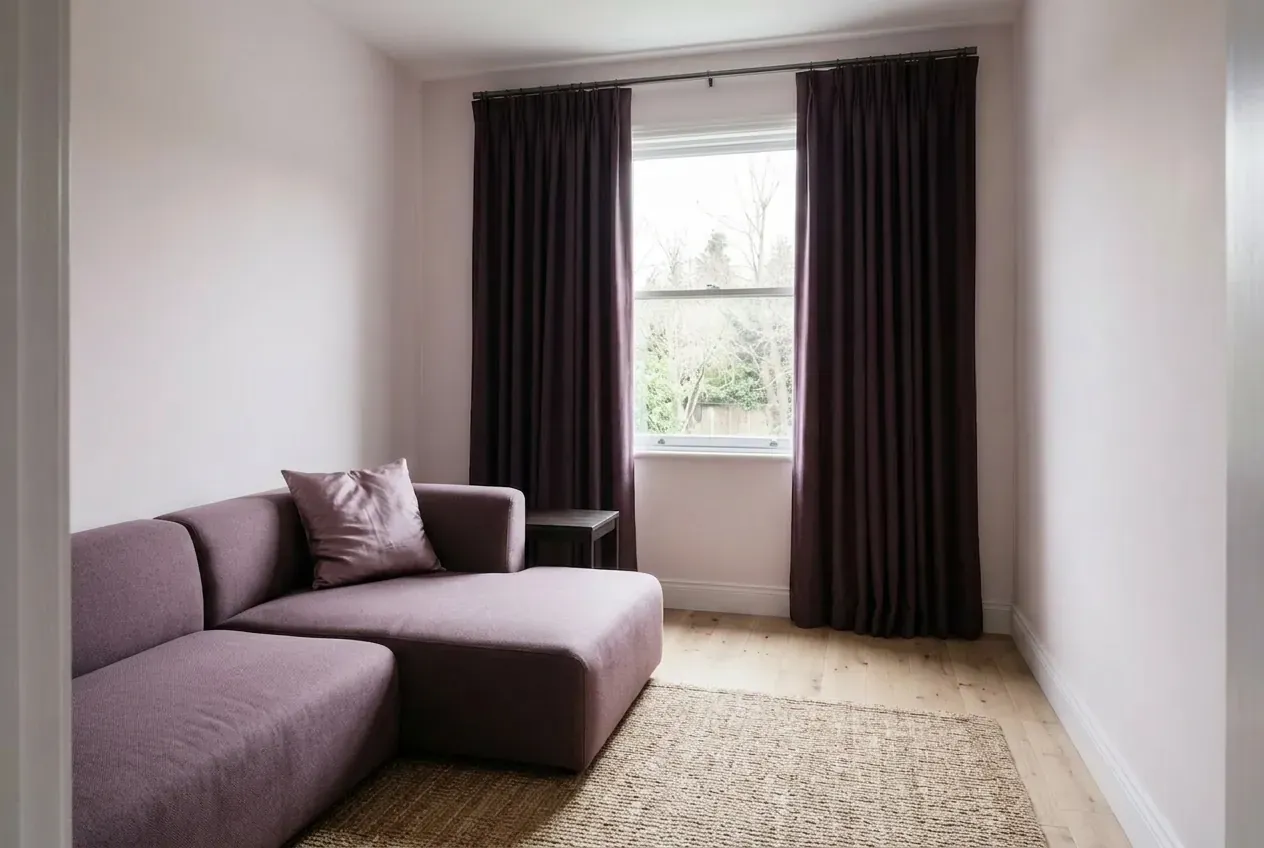 From above and to one side, the full footprint and the walkway read at a glance.
How to measure before ordering
Measure from the top of the rod ring to about 0.5 to 1 inch above the floor. Do not guess from the standard 84 in or 96 in package length. A 96 in (244 cm) drape hung 4 in above a window frame visually stretches an 8 ft ceiling. For where to put the rod, see the curtain rod height guide, and if you cannot drill, the no-drill rod guide.
Colour
A soft blush wall with plum or mauve panels reads calm and tailored, but any deep tone will want lining to stay even in colour. In a small room, keep the drape within one or two shades of the wall to avoid a heavy block of colour. For very large windows, see floor-to-ceiling windows in a small apartment.
Before you buy
- Decide whether you need lining, blackout or just softness.
- Plan 2 to 2.5 times the rod width for drapes.
- Choose rings or back tabs for heavy panels.
- Use a centre bracket on spans above 48 in.
- Measure the drop from the rod to just above the floor.
- Check the wall type and use the right anchors.
Curated Color Palette & Key Textures
- Blush Veil #F6F0F5
- Mauve Silk #C0A2B7
- Plum Dusk #6E4A62
- Wine Black #33202B
General references
Dimensions in these guides are typical planning ranges, not legal minimums, and they can differ by jurisdiction. Use the references below as starting points, then confirm local code and your lease before making changes.
FAQ
What is the difference between drapes and curtains?
Drapes are lined, weighted and hung in a full gathered panel; curtains are lighter, often unlined, and hung flat or with a simple pleat.
Are drapes or curtains better for a small room?
Drapes, if they fit the width. Lining and weight make the panel hang straight and block light, which reads calmer than a thin curtain that moves.
Are drapes out of style?
No - lined panels are what buyers and renters call drapes now. What dates is puddling and heavy swags, not a full-length lined panel.
Save this idea

Keep reading
Related rooms
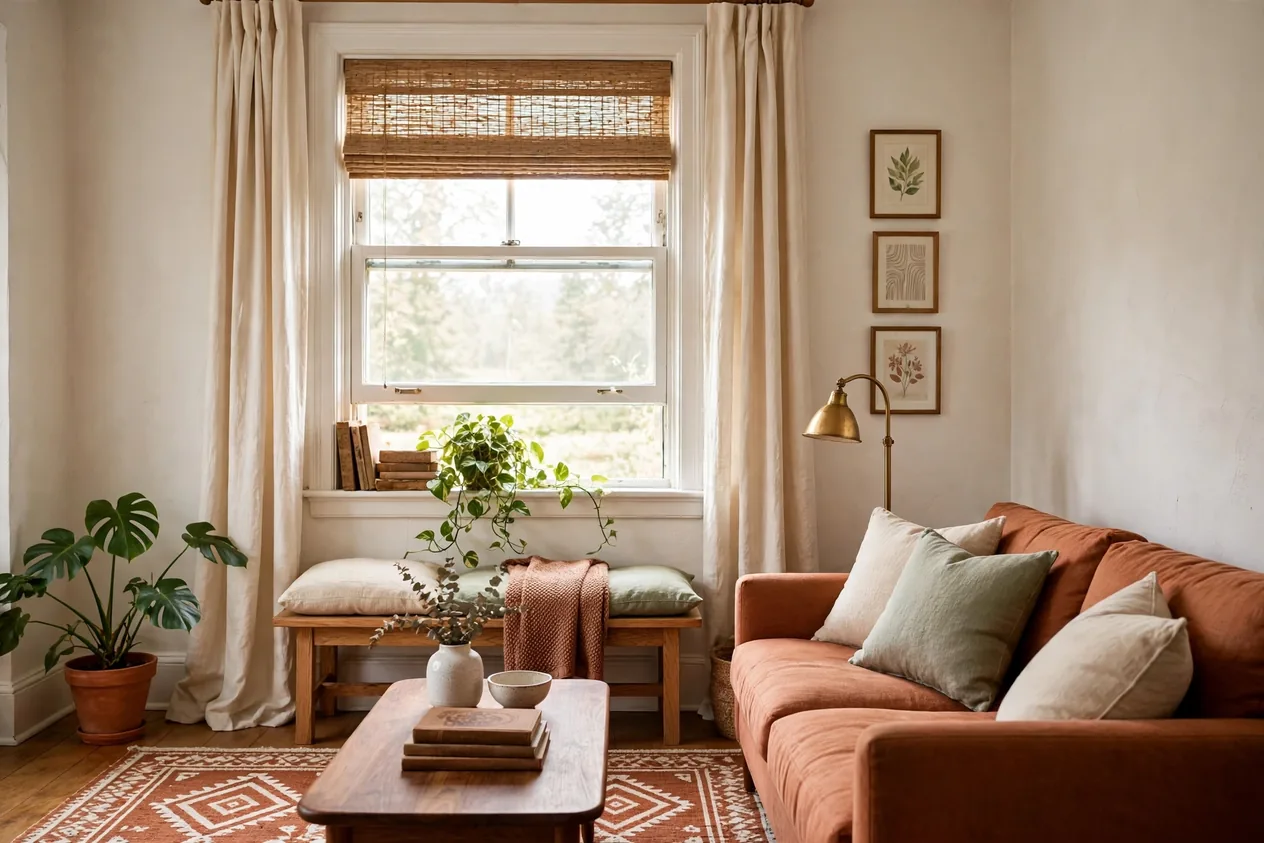
Standard Window Sizes: 24 x 36 to 48 x 72 in Chart
Standard window sizes in inches and cm: most run 24 to 48 in wide by 30 to 72 in high, and a bedroom window needs a 5.7 sq ft clear opening for egress.
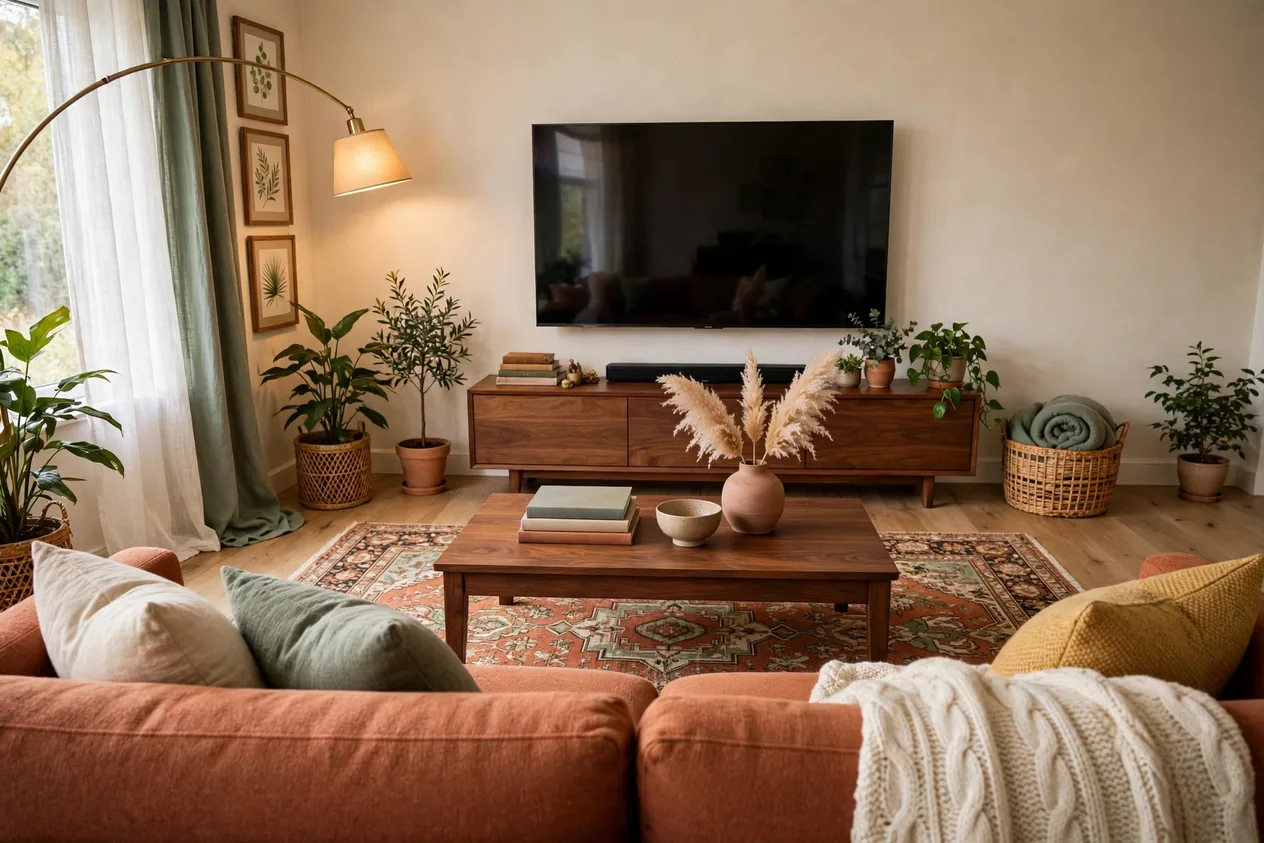
TV Dimensions by Screen Size: 65 in Is 56.7 x 31.9 in
TV dimensions by screen size in inches and cm: a 65 in TV is 56.7 x 31.9 in, a 55 in is 47.9 x 27.0 in, plus the viewing distance and stand width for each.
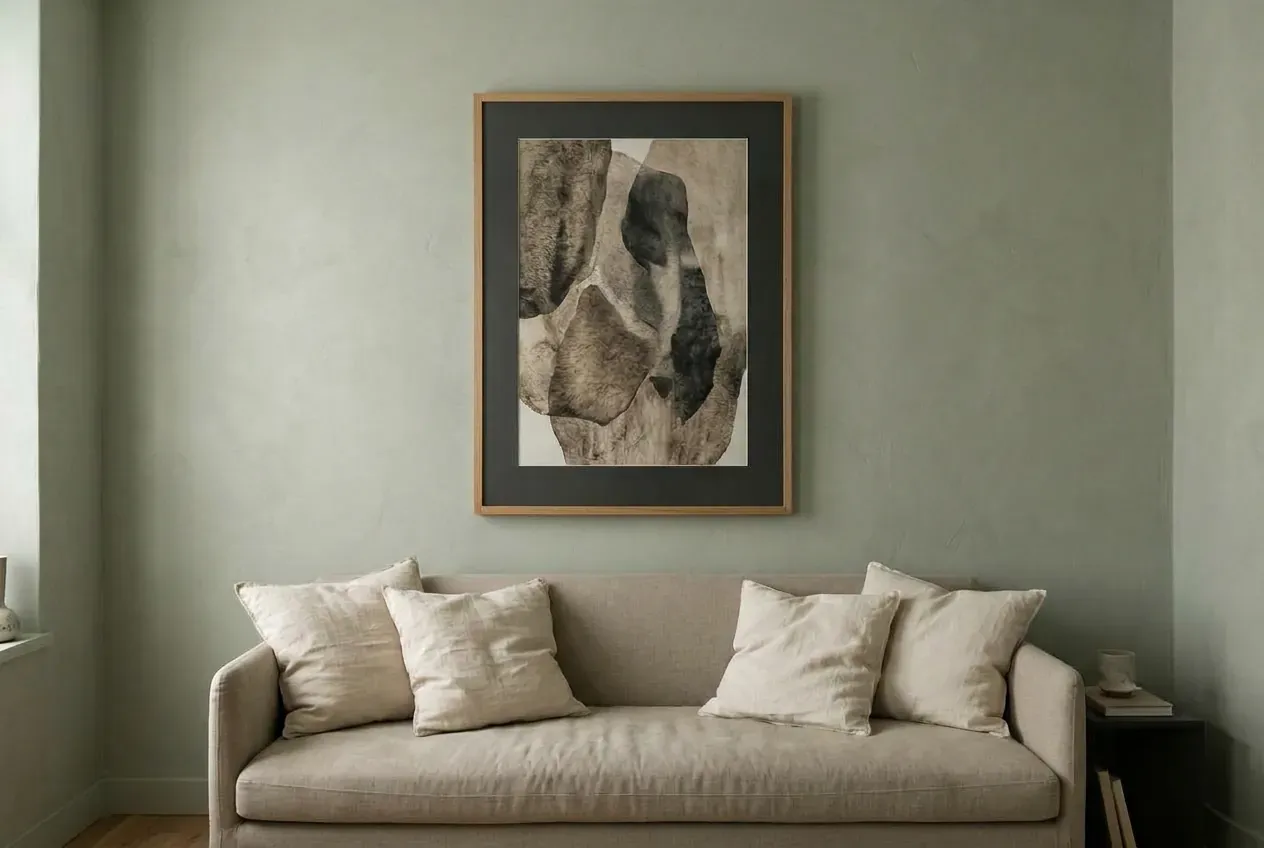
How High to Hang Pictures: 57 in (145 cm) Center
Hang pictures with the center 57 in (145 cm) up, the frame bottom 7 to 10 in (18 to 25 cm) above a sofa, and frames 2 to 3 in (5 to 8 cm) apart.