Floating Shelf Height & Spacing: Clearance Guide
Floating shelf height and spacing made exact: 12 in vertical spacing, mounting heights, wall-anchor weight limits and renter-safe clearances.
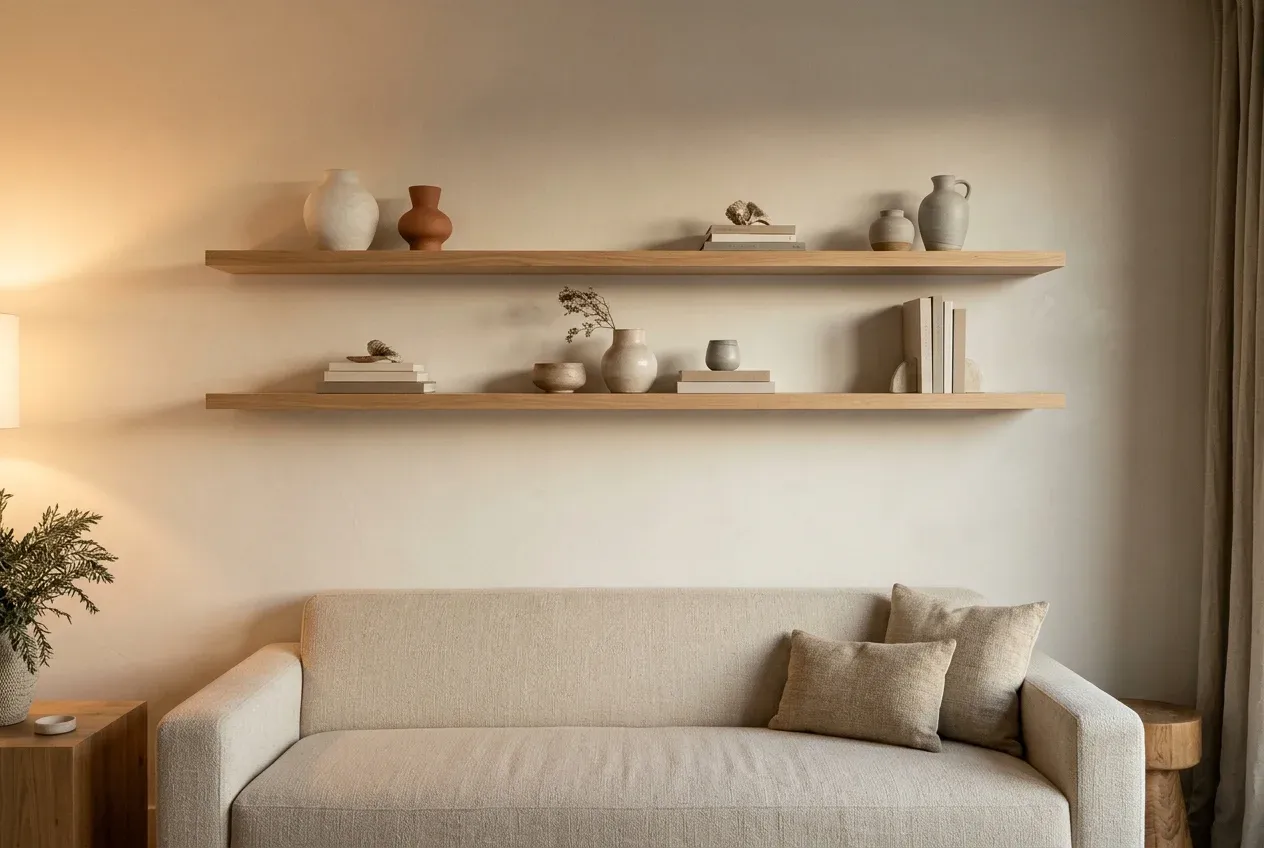
Room specifications
- Room ScaleSmall living room or home office (about 10 x 12 ft)
- Design StyleWarm Minimalist / Japandi
- Budget TierBudget ($)
- Palette Swatches4 colors
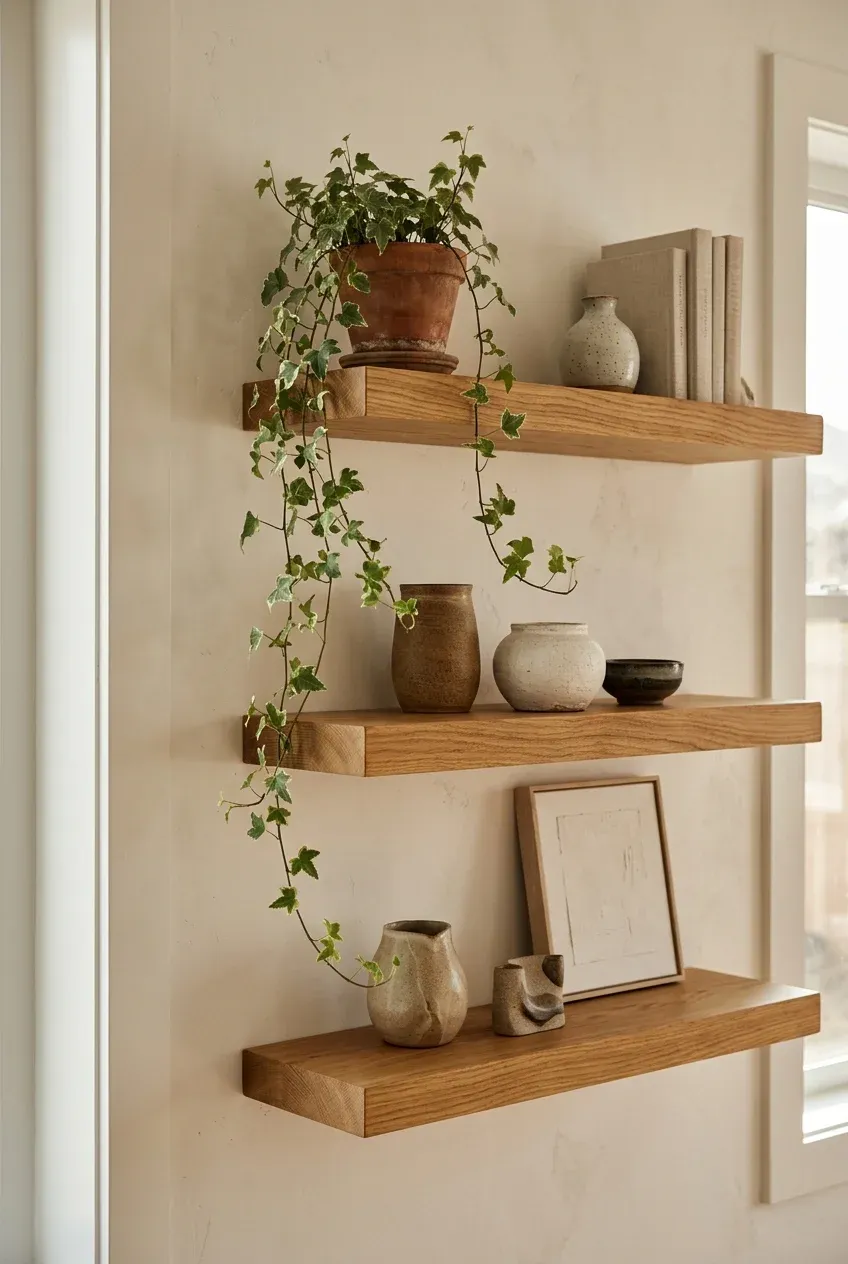
Floating shelves are usually spaced 12 to 15 inches apart, with the lowest shelf 10 to 12 inches above a sofa back or about 22 to 24 inches above a desktop. Those gaps fit standard hardcovers and framed art, and they keep heads and screens clear.
Heights and spacing matter more than shelf style. A shelf hung too low over seating gets bumped, and shelves spaced too tightly look like a cabinet without doors. The numbers below answer the common questions: how far apart, how high, how long, and how deep. For how shelving compares with the other ways to add storage, see the best storage solutions for small apartments.
How far apart should floating shelves be?
Leave about 12 to 15 inches (30 to 38 cm) between shelf surfaces. Go closer to 12 for novels and small objects, and toward 15 or 16 for large art books and tall vases. For a stack of three or more, equal gaps look tidy, and a slightly bigger gap at the bottom gives the eye room to rest.
How high should you hang them?
| Where | Height of the lowest shelf | Gap between shelves | Typical depth |
|---|---|---|---|
| Over a sofa | 10 to 12 in (25 to 30 cm) above the back | 12 to 14 in (30 to 36 cm) | 8 to 10 in (20 to 25 cm) |
| Over a desk | 22 to 24 in (56 to 61 cm) above the desktop | 12 to 15 in (30 to 38 cm) | 10 to 12 in (25 to 30 cm) |
| Bathroom towel wall | About 48 to 52 in (122 to 132 cm) from the floor | 10 to 12 in (25 to 30 cm) | 6 to 8 in (15 to 20 cm) |
| Hallway drop zone | About 58 to 60 in (147 to 152 cm), near eye level | About 12 in (30 cm) | About 6 in (15 cm) at most |
These are planning heights, not rules. Shelf load limits come from the bracket and anchor makers, so read their packaging for the real number rather than relying on a general figure.
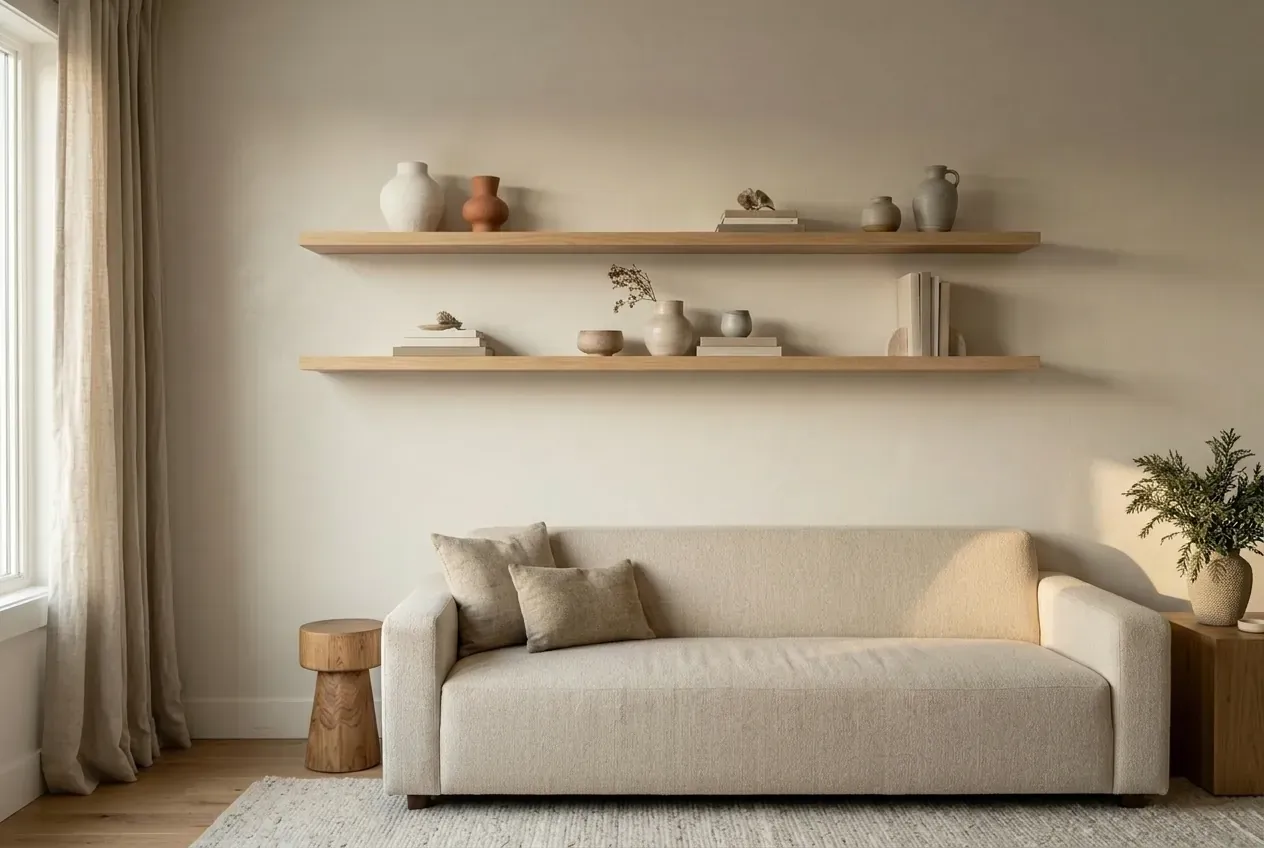 The same room seen from the opposite end, so you can judge the layout from the far side.
What length and size should the shelf be?
- Over a sofa: About two thirds to three quarters of the sofa width looks balanced. Longer than the sofa looks heavy.
- Beside a window or closet: A 24 to 30 inch wall span suits a short stack of shallow shelves about 8 inches deep.
- Over a desk: 36 to 48 inches wide works, and deeper is fine because you are not sitting under it.
To see the proportions, run painter tape at the planned length and height before you drill. It takes about 15 minutes.
Layouts for a small living room
Staggered pair. In a 10 x 12 ft room, two oak shelves of different lengths, such as 36 in and 24 in, offset slightly, feel less stiff than a matching pair. A 14 inch gap leaves room for a trailing plant and a framed print, and the lowest shelf stays about 12 inches over the sofa back.
Vertical column. On a 30 inch wall between a window and a closet, stack three 24 x 8 in shelves on roughly 13 inch centres. That gives space for a good number of paperbacks and a few ceramics. For books specifically, see the floating bookshelves guide.
Corner ledge. For a small study or bedroom nook, L-shaped shelves meeting at the corner can tie into studs on both walls, which makes them more secure.
Anchors and studs
A hollow wall holds far less than a stud, and a shelf pulls outward at the top fasteners. Drive at least one bracket screw into a stud wherever the layout allows. For hollow drywall, use a snap-toggle or similar heavy-duty fixing whose printed rating is above the loaded weight of the shelf. Remember that ratings change with the product and the board thickness.
If you rent, removing a toggle is simple: push the collar into the wall cavity, fill the small hole with spackle, sand and touch up. The above-bed shelf safety guide covers the risks of overhead loads. If you would rather not drill at all, see the next section.
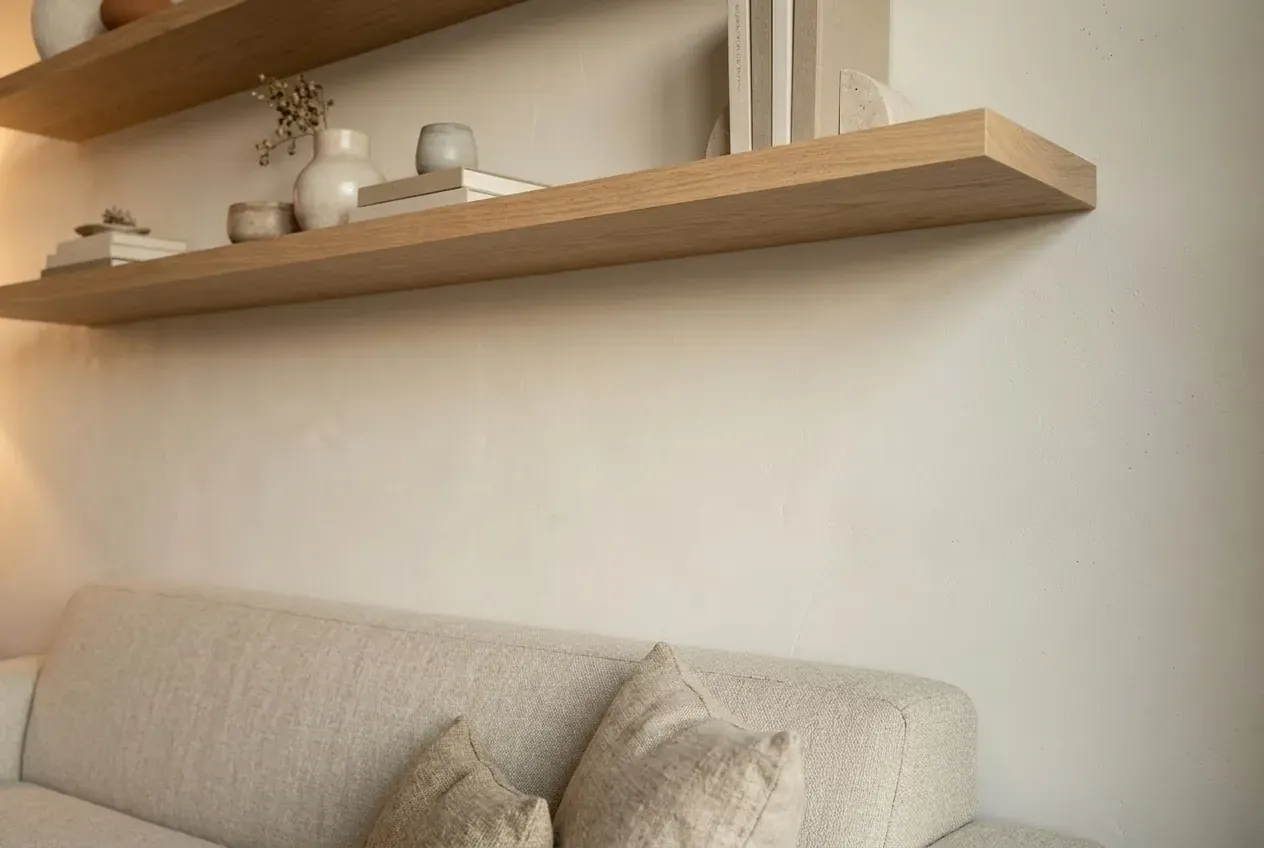 Close up: Maintain at least 10 to 12 in (25.4-30.5 cm) of clear space above a sofa backrest to your lowest shelf.
No-drill mounting for renters
Mounting decides what a shelf can carry, and the ranges below are rough planning figures. The rated load on the manufacturer’s spec sheet always governs. Adhesive systems assume a smooth, clean, fully cured painted wall, so expect less on a textured wall, fresh paint or a cold exterior wall.
| Mounting | Holes left | Best for |
|---|---|---|
| Adhesive bracket | None | Small plants, ceramics, a few books |
| Rail or cleat resting on the floor or baseboard | None | Rows of paperbacks, heavier decor |
| Adhesive plus a picture-hook pin | One tiny pin hole per bracket | A bit more than adhesive alone |
| Toggle or butterfly anchor | Two per bracket, patched later | Real book storage |
| Screws into a stud | Two per bracket | Full rows of hardcovers |
Once a shelf must carry more than a modest load, it is no longer a no-drill shelf. Keep at least 30 inches (76 cm) of walkway clear, and use 8 to 10 inches (20 to 25 cm) of depth beside a path, up to 12 inches (30 cm) on a wall you never walk past.
Floor-resting rail tower. Three 10 in deep by 30 in wide shelves on one vertical rail that rests on the baseboard. The floor carries the weight, and two adhesive pads just stop it tipping. Leave about 13 in between shelves so hardcovers clear.
One-pin hybrid. A 10 in deep by 36 in wide oak shelf with concealed brackets. Adhesive carries the downward load and one small picture-hook pin per bracket stops sideways slide. Fill each hole with a dab of spackle at move-out.
Solid oak carries more than oak veneer on MDF, but the mounting still sets the limit. Veneer suits light ceramics better than rows of books. Seal bare oak with a matte oil, and keep it away from a radiator or strong south window.
Taking a shelf down cleanly
- Do not pry. Slide dental floss or fishing line behind the plate and saw through the adhesive strip, warming it briefly with a hair dryer first.
- Fill pin holes with light spackle, let dry, and touch up.
- Before re-sticking, wipe the wall with rubbing alcohol and let it dry. Dust is the usual reason adhesive fails.
- Re-check after a week, since adhesive can creep under constant load in warm rooms. Remove the load if the shelf sags.
Where a shelf goes with other furniture
Over an accent chair, keep the lowest shelf well above the chair back. Above a bedroom desk, measure with the monitor and chair in place. In a hallway, keep the shelf shallow so shoulders pass without bumping. If a framed picture hangs beside the shelf, match its line using how high to hang pictures.
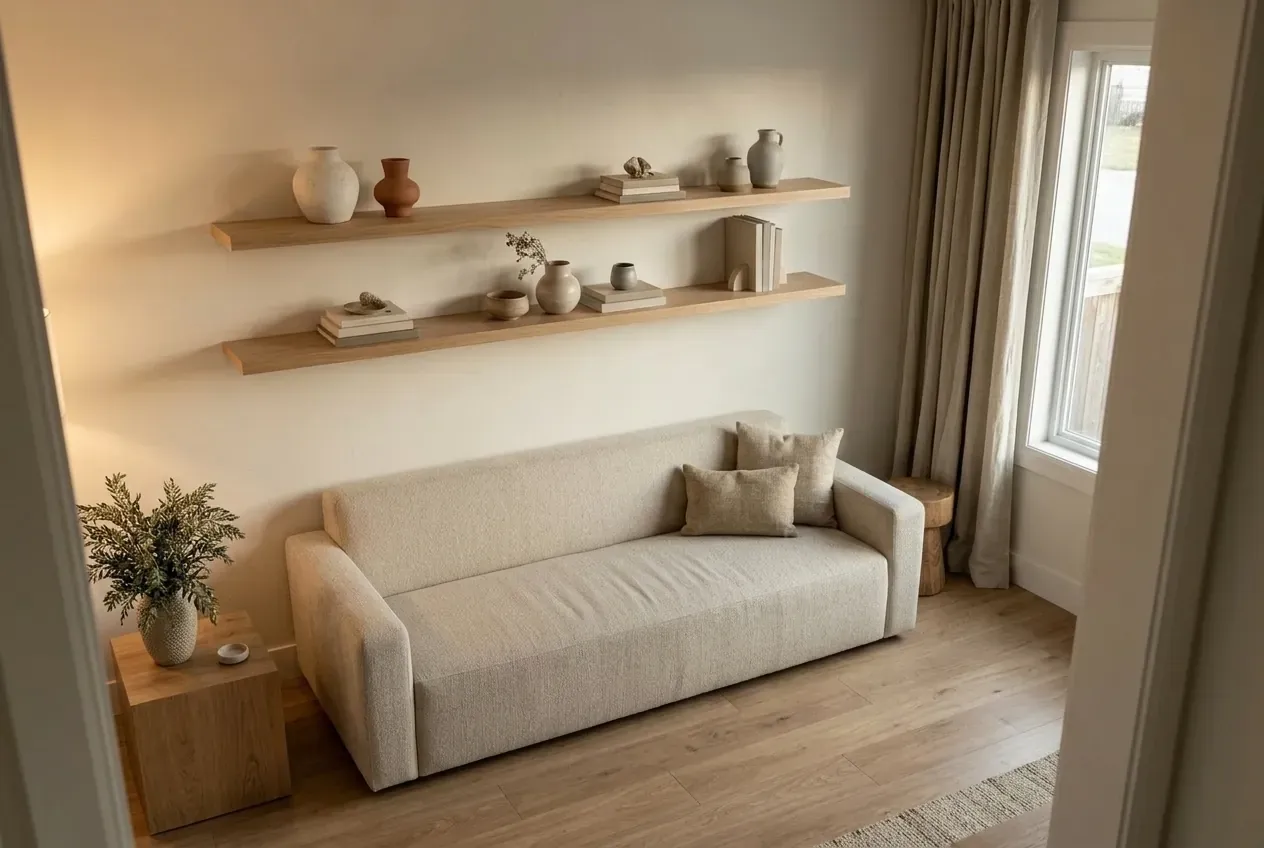 From above and to one side, the full footprint and the walkway read at a glance.
Colour
Pale walls, light oak shelves and a few greige or charcoal accessories give a calm, warm look. Use dark metal as a single accent, not on every object.
Common mistakes
- Hanging the first shelf too close to a sofa back.
- Equal, very tight gaps that make the wall look like a grid.
- Deep shelves in a hallway.
- Trusting a plastic anchor with books.
- Skipping the tape test.
Before you drill
- Tape the shelf outline on the wall at the planned height.
- Check 10 to 12 inches above sofa backs, or 22 to 24 inches above a desktop.
- Plan 12 to 15 inches between shelves.
- Locate studs with a finder.
- Pick anchors rated above the loaded weight.
- Check that the shelf does not block a window, outlet or switch.
Curated Color Palette & Key Textures
- Alabaster Chalk #F5F2EB
- Light Oak #C9A97C
- Warm Greige #BDB3A3
- Charcoal Ink #2F3135
General references
Dimensions in these guides are typical planning ranges, not legal minimums, and they can differ by jurisdiction. Use the references below as starting points, then confirm local code and your lease before making changes.
FAQ
How high should you hang floating shelves above a couch?
Hang the lowest floating shelf 10 to 12 inches (25.4 to 30.5 cm) above the top of the sofa backrest to prevent seated guests from bumping their heads.
How much vertical space should you leave between floating shelves?
Leave 12 to 15 inches (30.5 to 38.1 cm) of vertical clearance between shelf surfaces to display standard hardcovers, framed art, and ceramic vessels proportionally.
Can you hang floating shelves in a rental without hitting wall studs?
Yes, provided each anchor is rated for the load. Heavy-duty metal toggle bolts are the usual choice for hollow drywall because they spread the load behind the board, but the safe limit depends on the specific bolt and board thickness, so use the rating on the product rather than a general figure. They leave clean holes that patch easily at move-out.
Can you hang floating shelves without drilling?
Yes, for light loads. Adhesive shelves and rails that rest on the floor or baseboard hold light decor with no holes. Anything holding books or a full row of ceramics should be anchored, ideally into a stud, which leaves small holes you can patch.
Do adhesive floating shelves damage paint?
Not when removed correctly. Slide dental floss or fishing line behind the bracket to saw through the adhesive, warming the strip briefly with a hair dryer first, then lift.
Save this idea

Keep reading
Related rooms
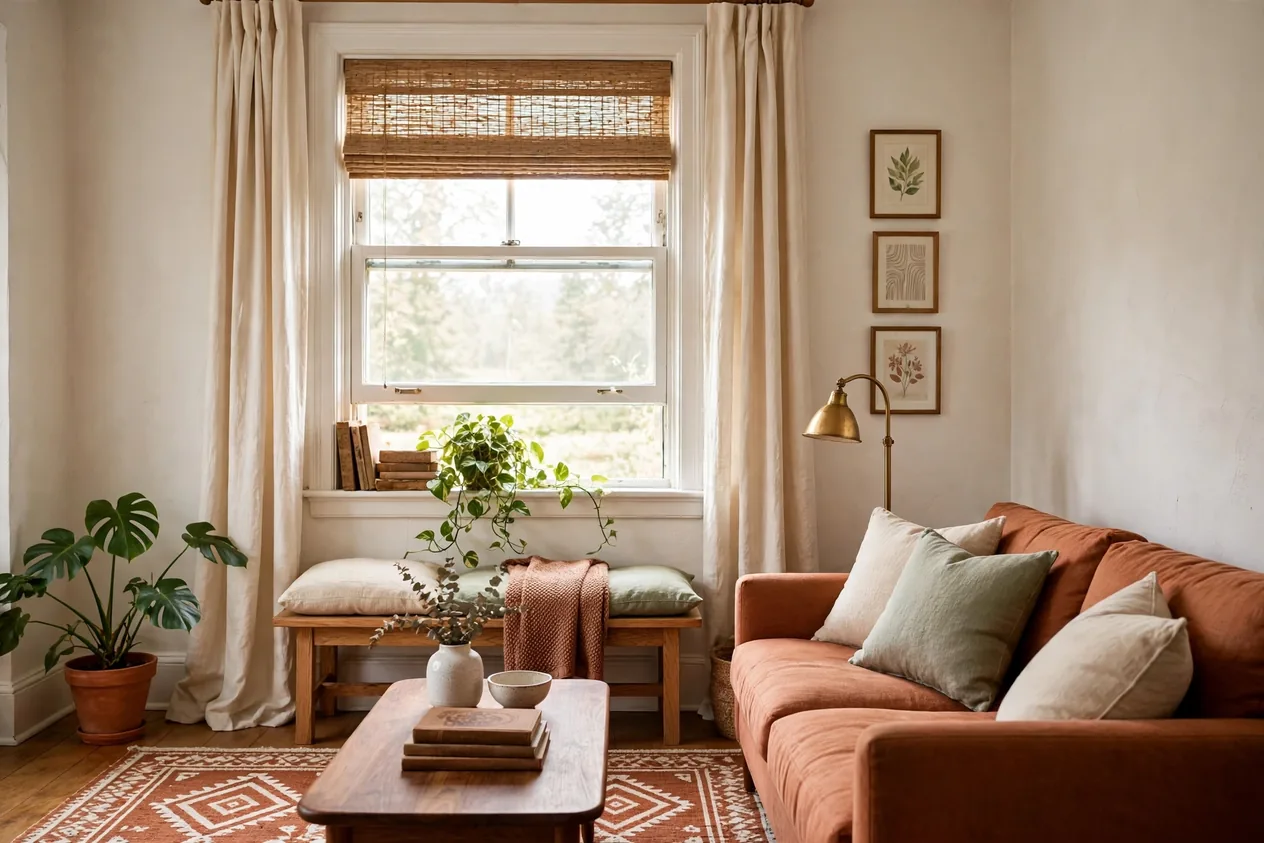
Standard Window Sizes: 24 x 36 to 48 x 72 in Chart
Standard window sizes in inches and cm: most run 24 to 48 in wide by 30 to 72 in high, and a bedroom window needs a 5.7 sq ft clear opening for egress.
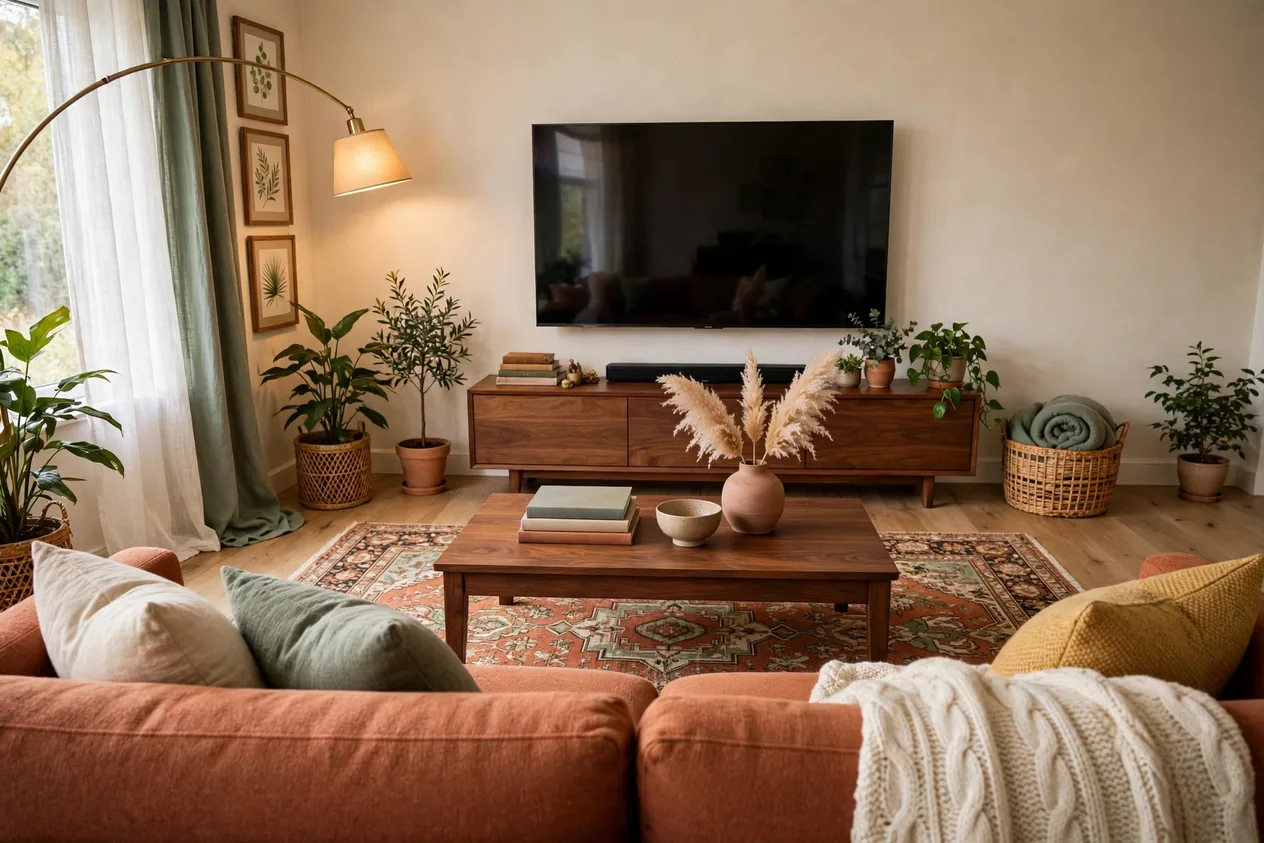
TV Dimensions by Screen Size: 65 in Is 56.7 x 31.9 in
TV dimensions by screen size in inches and cm: a 65 in TV is 56.7 x 31.9 in, a 55 in is 47.9 x 27.0 in, plus the viewing distance and stand width for each.
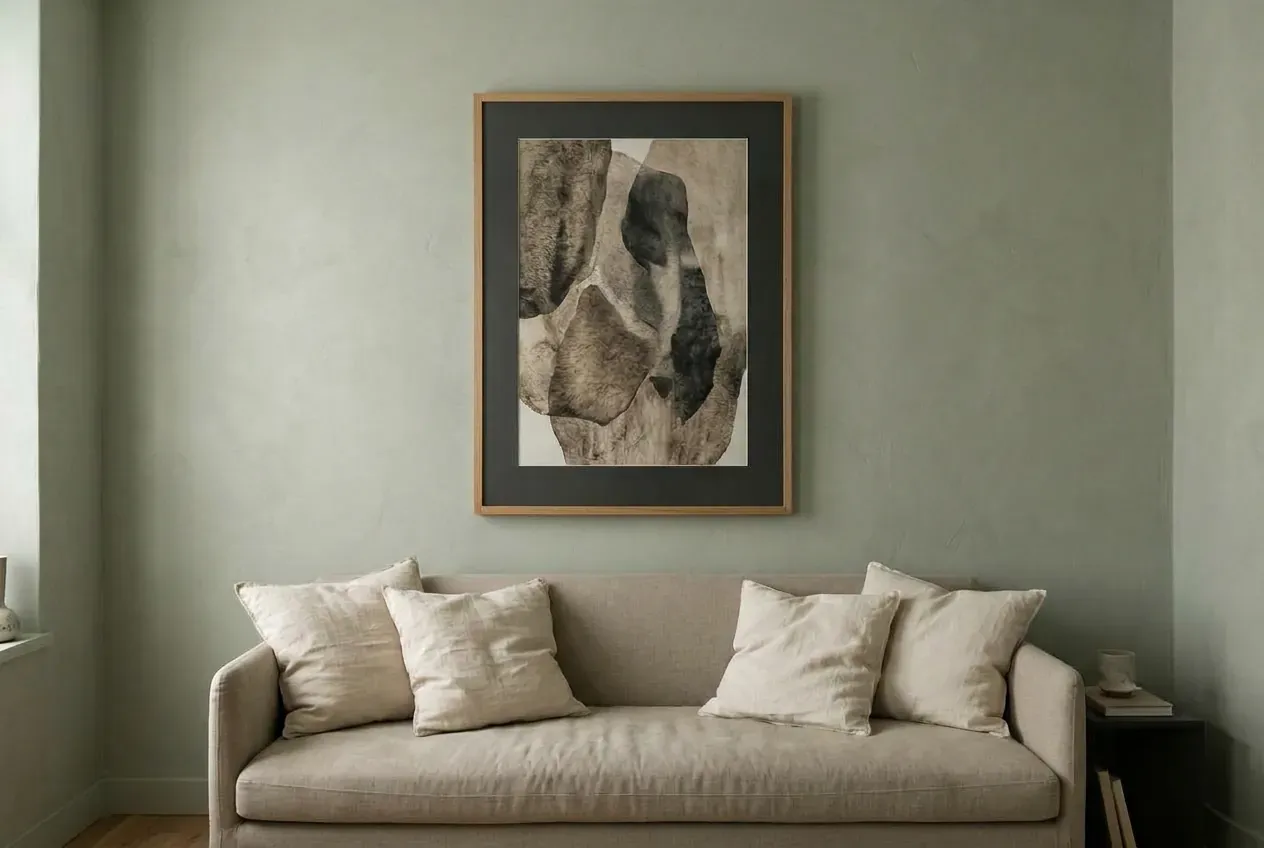
How High to Hang Pictures: 57 in (145 cm) Center
Hang pictures with the center 57 in (145 cm) up, the frame bottom 7 to 10 in (18 to 25 cm) above a sofa, and frames 2 to 3 in (5 to 8 cm) apart.