Space-Saving Bookcase: Depth and Layout Rules
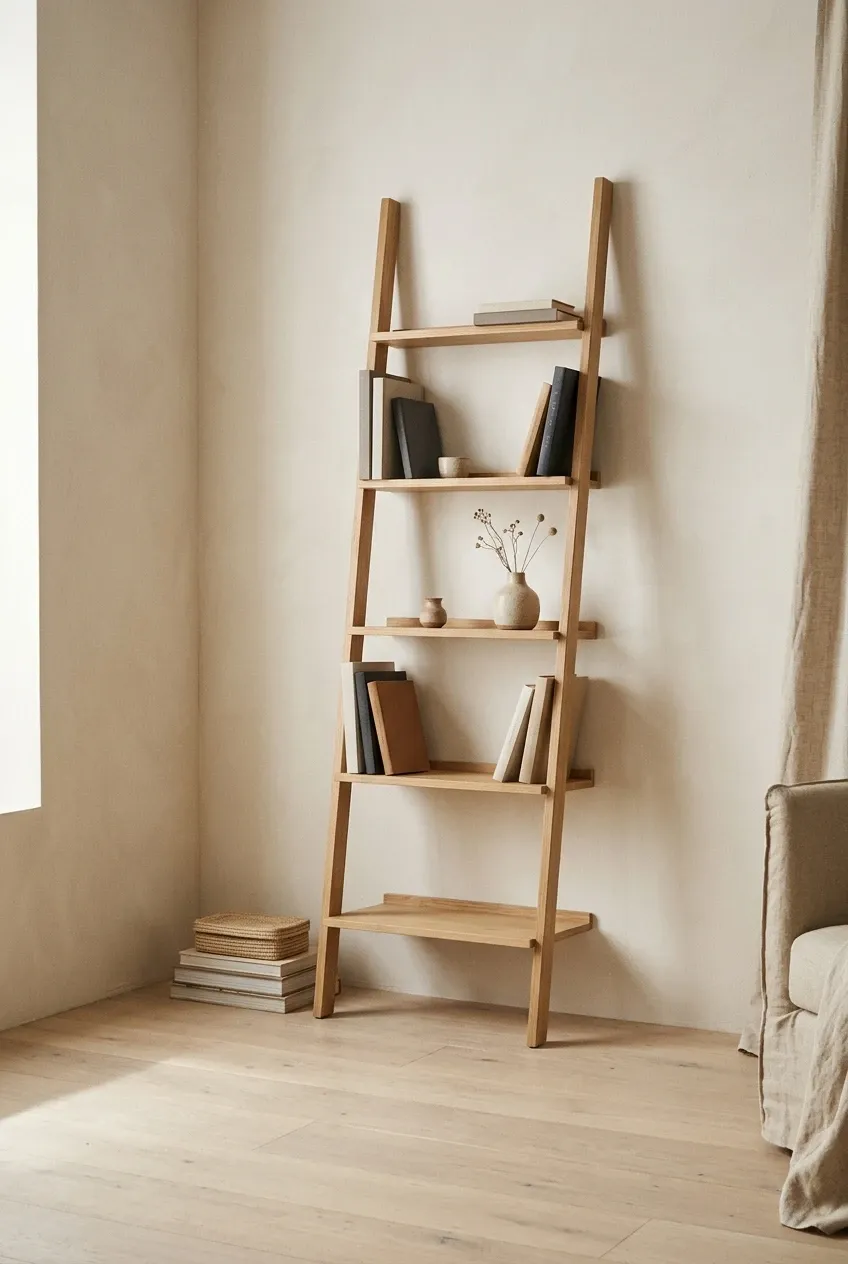
A narrow bookcase for a small apartment: 11 in (28 cm) shelf depth for paperbacks, 14 in for art books, and 24 in (61 cm) of clear floor to browse.
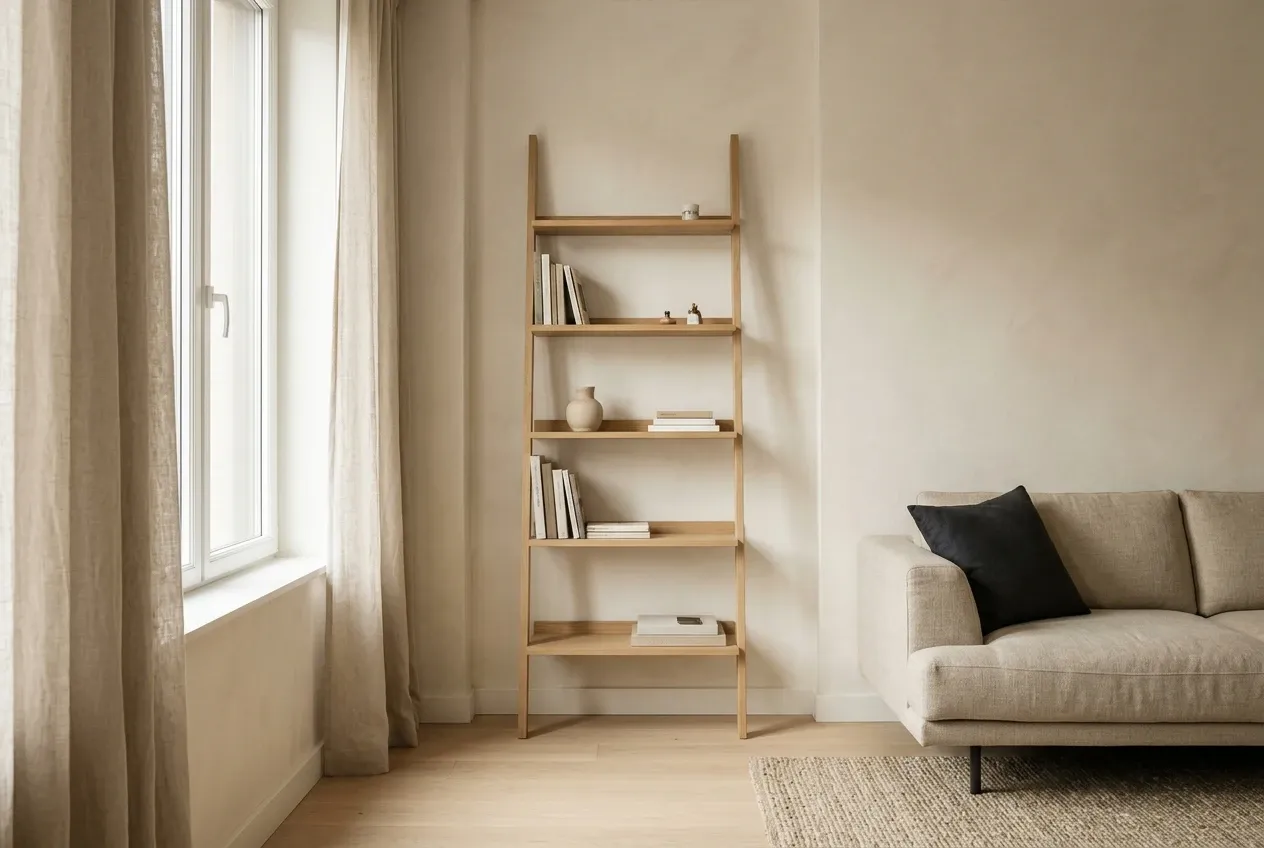
Room specifications
- Room ScaleSmall apartment living room (about 10 x 12 ft)
- Design StyleWarm Minimalist / Japandi
- Budget TierBudget ($)
- Palette Swatches4 colors
For a small apartment, pick a bookcase with shelves about 10 to 11 inches deep, which holds most paperbacks and trade books without sticking out into the room, and leave about 24 inches of clear floor in front so you can stand or crouch to browse. Reserve 12 to 14 inch shelves for art books on the bottom tier.
Conventional retail bookcases often run 14 to 18 inches deep. In a 10 x 12 ft living room, that depth pushes into walking paths and blocks window light. Matching the shelf to the books you actually own saves the floor space. For where a bookcase sits among the other ways to add storage, see the best storage solutions for small apartments.
Measure your books first
Before comparing models, check your collection by size.
- Paperbacks and most novels: roughly 6 x 9 inches or smaller, so 9 to 11 inches of shelf depth is plenty.
- Art books and oversized monographs: 12 to 14 inches deep. Put these on the bottom shelf and keep upper shelves lighter.
- Shelf spacing: 10 to 12 inches between shelves fits most books and puts about six tiers in a standard 72-inch height.
A 14-inch bookcase for paperbacks wastes several inches of empty air on every shelf. For help arranging what goes where, see how to style a bookshelf.
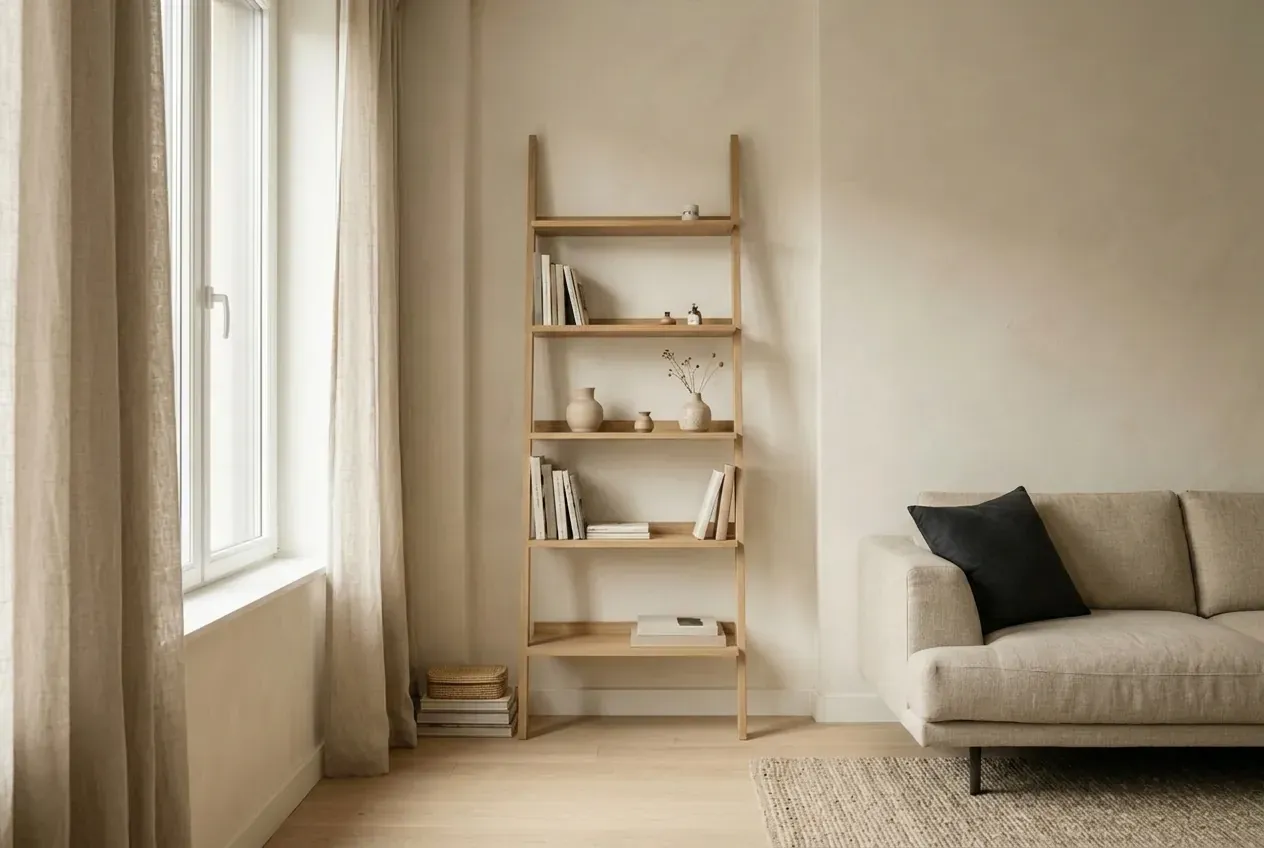 The same room seen from the opposite end, so you can judge the layout from the far side.
Which shape fits which wall
| Wall situation | Best shape | Notes |
|---|---|---|
| Narrow gap between window and sofa | Leaning ladder shelf, about 24 in wide | Tapers from a deeper base to a shallow top, so it takes little floor |
| Dead corner behind a chair | Corner unit with quarter-round shelves | Uses space that is otherwise wasted; check it clears your accent chair |
| Low window sill | Two-tier horizontal case, about 26 in high | Sits under the sill; with cushions on top it is a window seat with storage below |
| Long clear wall | Slim full-height case | Use a white or light finish so it fades into the wall |
If you would rather keep the floor clear, floating bookshelves are the alternative, though they need solid anchoring into studs.
Leave room to browse
The floor space in front matters as much as the case itself.
- Allow roughly 24 to 28 inches in front, enough to crouch to the bottom shelf without hitting furniture behind you.
- Keep the coffee table about 24 inches away, or you will twist awkwardly to reach books.
- Check door and drawer swings so nothing strikes the lower shelves.
- Add light. A slim plug-in or battery light helps, and bookshelf lamp spacing rules cover where to put it.
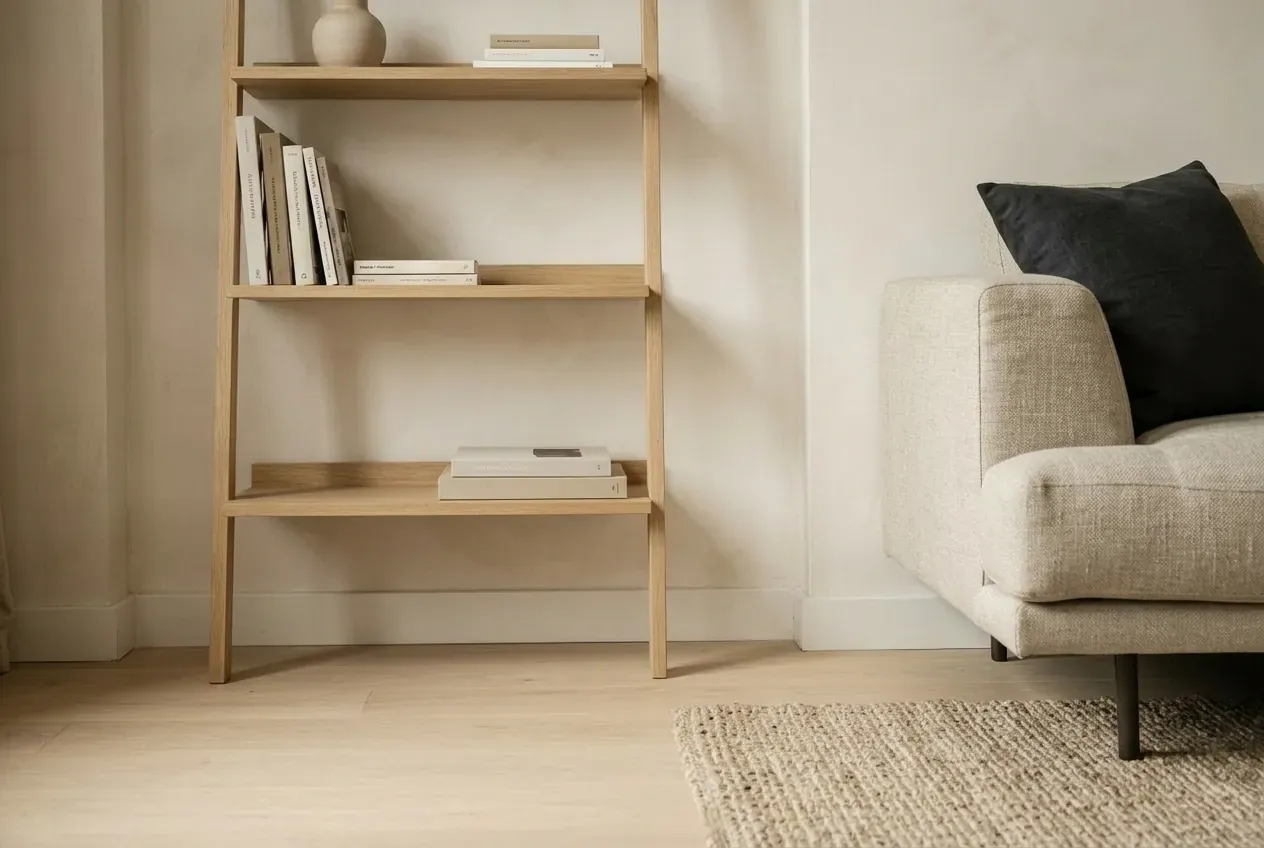 Close up: Use 11 in (28 cm) shelf depth for paperbacks and 14 in (36 cm) for art books, and leave 24 in (61 cm) in front to browse.
Anchor it
Tall bookcases tip, especially when the top shelves are loaded. Anything over about 30 inches should be fixed to the wall with the anti-tip hardware the maker supplies, ideally into studs. In a rental, ask whether small screw holes are allowed, and use the supplied strap rather than improvising. Put the heaviest books on the lowest shelves.
Finish and colour
A bookcase in the same tone as the wall, or in light oak, recedes and makes a wall of books feel calmer. Dark finishes add weight, so save them for a short case. Group books by colour or size on a shelf or two if you want the wall to look tidy, and keep a few horizontal stacks to break up the rows of spines.
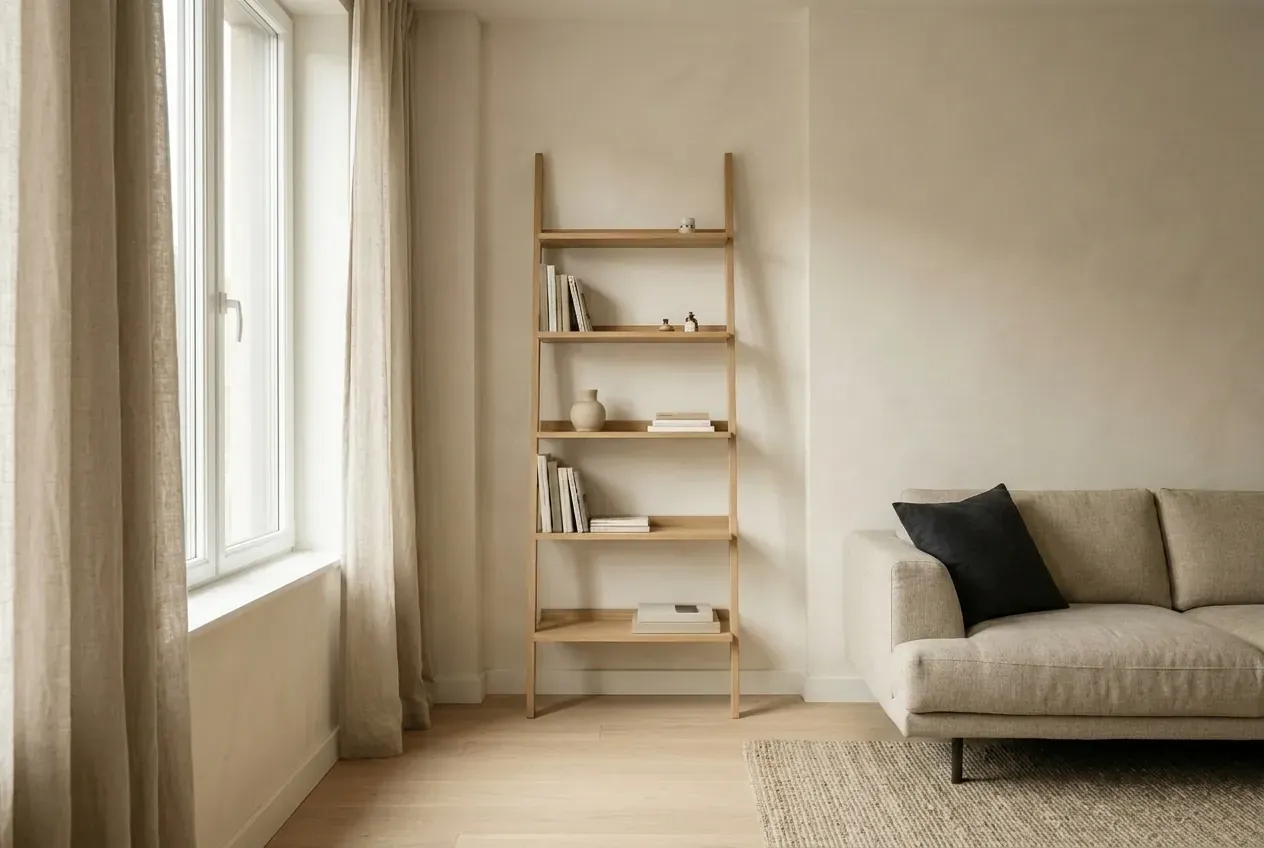 From above and to one side, the full footprint and the walkway read at a glance.
Common mistakes
- Buying by height alone and ignoring depth.
- Putting deep art books on high shelves where they pull the top of the case forward.
- Blocking a window or a radiator with a full-height unit.
- Filling every shelf. Leaving about a third of one shelf open for a plant or a vase keeps a wall of spines from looking heavy.
- Skipping the anchor because the case “feels solid” when empty.
Before you buy
- Measure your deepest books and match the shelf depth to them.
- Pick the wall, then the shape from the table above.
- Tape the footprint plus 24 inches of browsing space on the floor.
- Confirm you can anchor it, and keep the hardware.
- Plan lighting before you fill the shelves.
Curated Color Palette & Key Textures
- Alabaster Chalk #F5F2EB
- Oat Linen #D9CDB8
- Light Oak #C9A97C
- Charcoal Ink #2F3135
General references
Dimensions in these guides are typical planning ranges, not legal minimums, and they can differ by jurisdiction. Use the references below as starting points, then confirm local code and your lease before making changes.
FAQ
How deep should a bookcase be for a small apartment?
A depth of 10 to 11 inches (25 to 28 cm) is ideal for compact apartments. It holds most standard books without projecting into narrow walking corridors.
What is the most space-saving bookcase design?
A vertical leaning ladder shelf or a triangular corner tower offers the greatest space savings by utilizing vertical height while maintaining a minimal floor footprint.
Should a bookcase be anchored to the wall in a rental?
Yes, any bookcase taller than 30 inches (76 cm) should be secured with the maker's anti-tip hardware, ideally fastened into wall studs, to protect against accidental tipping.
Save this idea

Keep reading
Related rooms
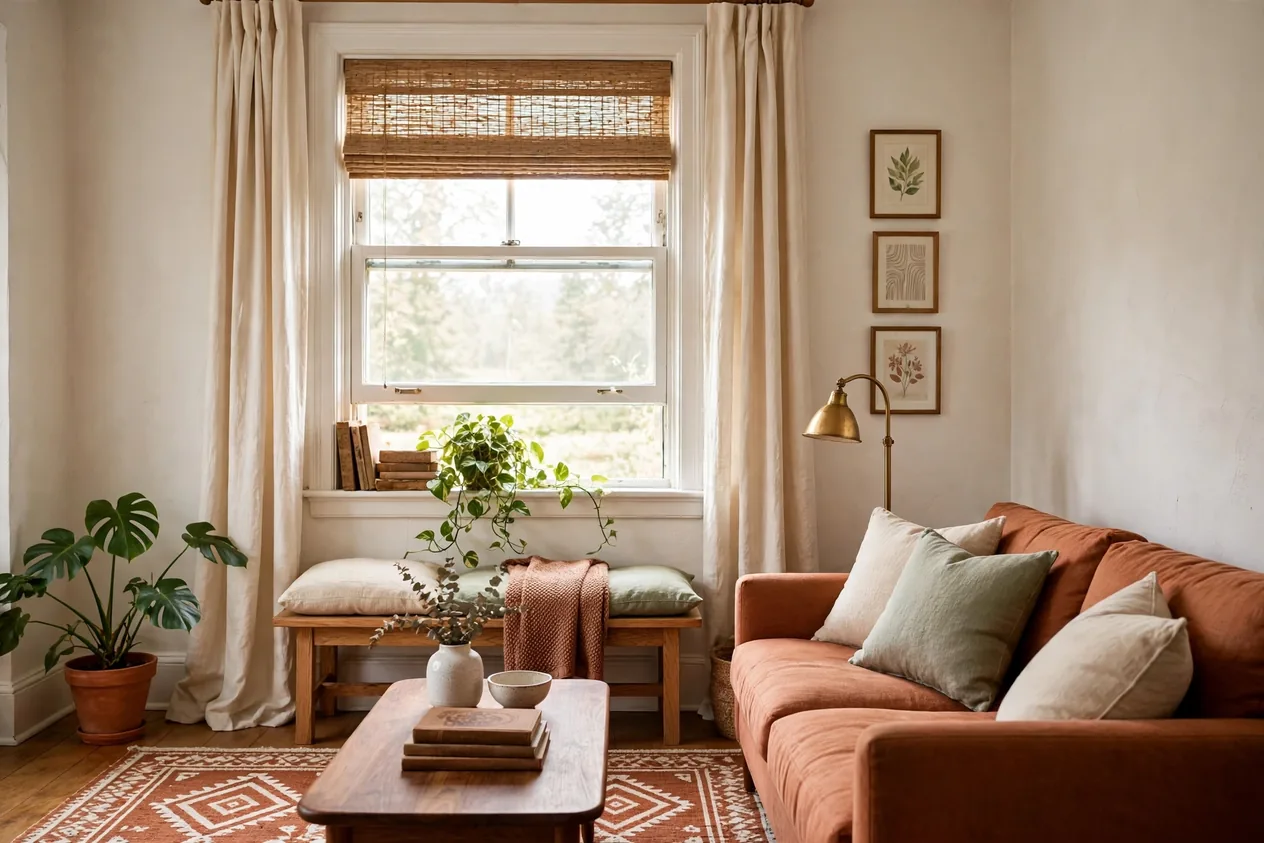
Standard Window Sizes: 24 x 36 to 48 x 72 in Chart
Standard window sizes in inches and cm: most run 24 to 48 in wide by 30 to 72 in high, and a bedroom window needs a 5.7 sq ft clear opening for egress.
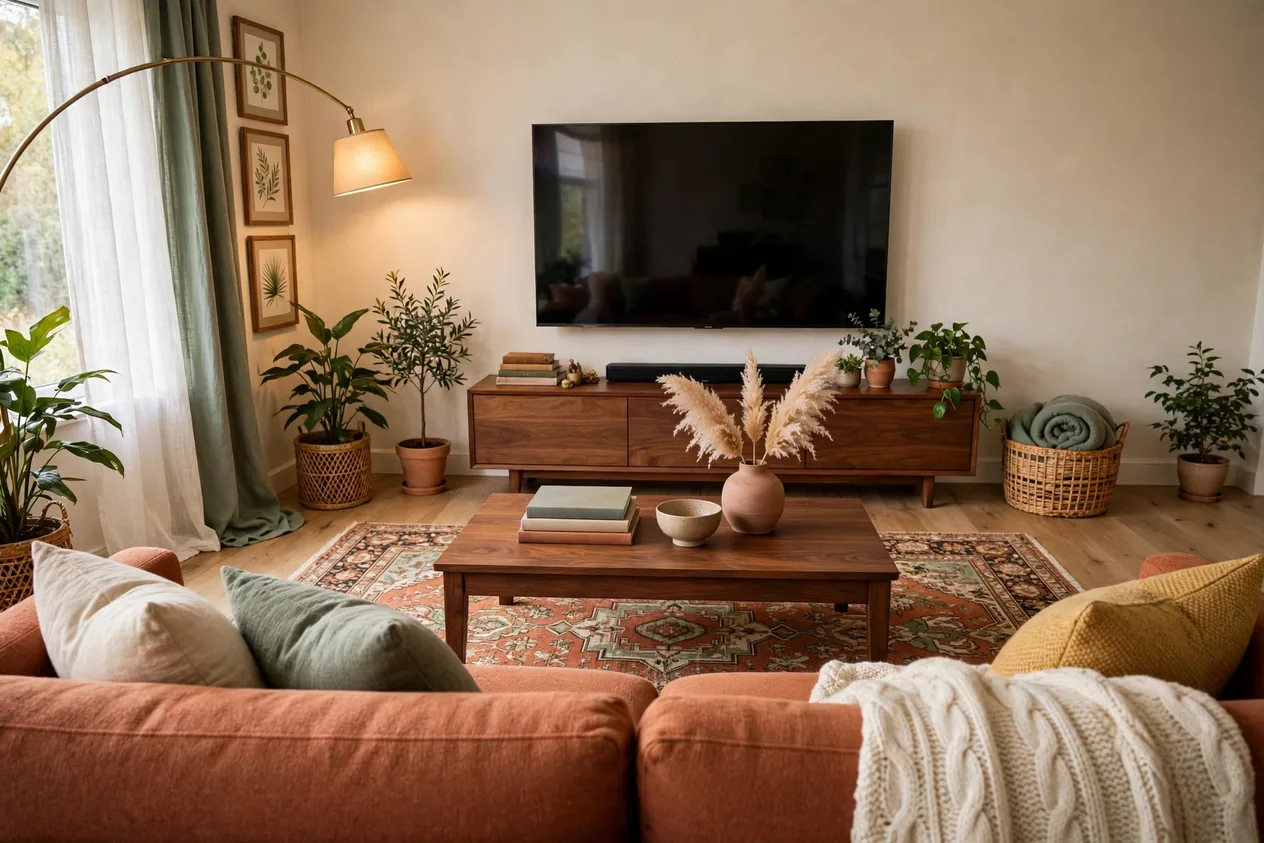
TV Dimensions by Screen Size: 65 in Is 56.7 x 31.9 in
TV dimensions by screen size in inches and cm: a 65 in TV is 56.7 x 31.9 in, a 55 in is 47.9 x 27.0 in, plus the viewing distance and stand width for each.
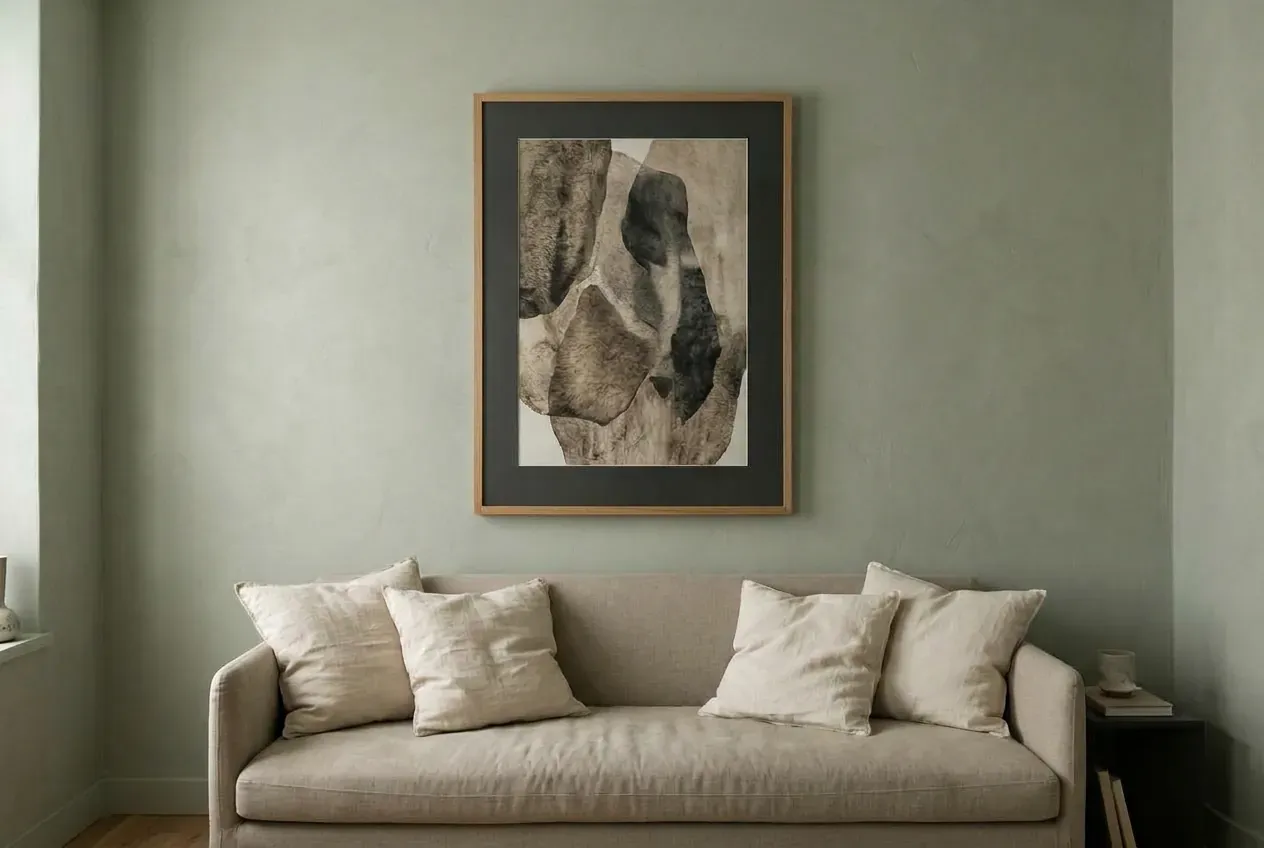
How High to Hang Pictures: 57 in (145 cm) Center
Hang pictures with the center 57 in (145 cm) up, the frame bottom 7 to 10 in (18 to 25 cm) above a sofa, and frames 2 to 3 in (5 to 8 cm) apart.