Vintage Furniture for Small Apartments: Buying Guide
How to buy vintage furniture for a small apartment: the antique-vs-vintage line, the size checks, joinery tests and which pieces fit a 9 ft (2.7 m) wall.
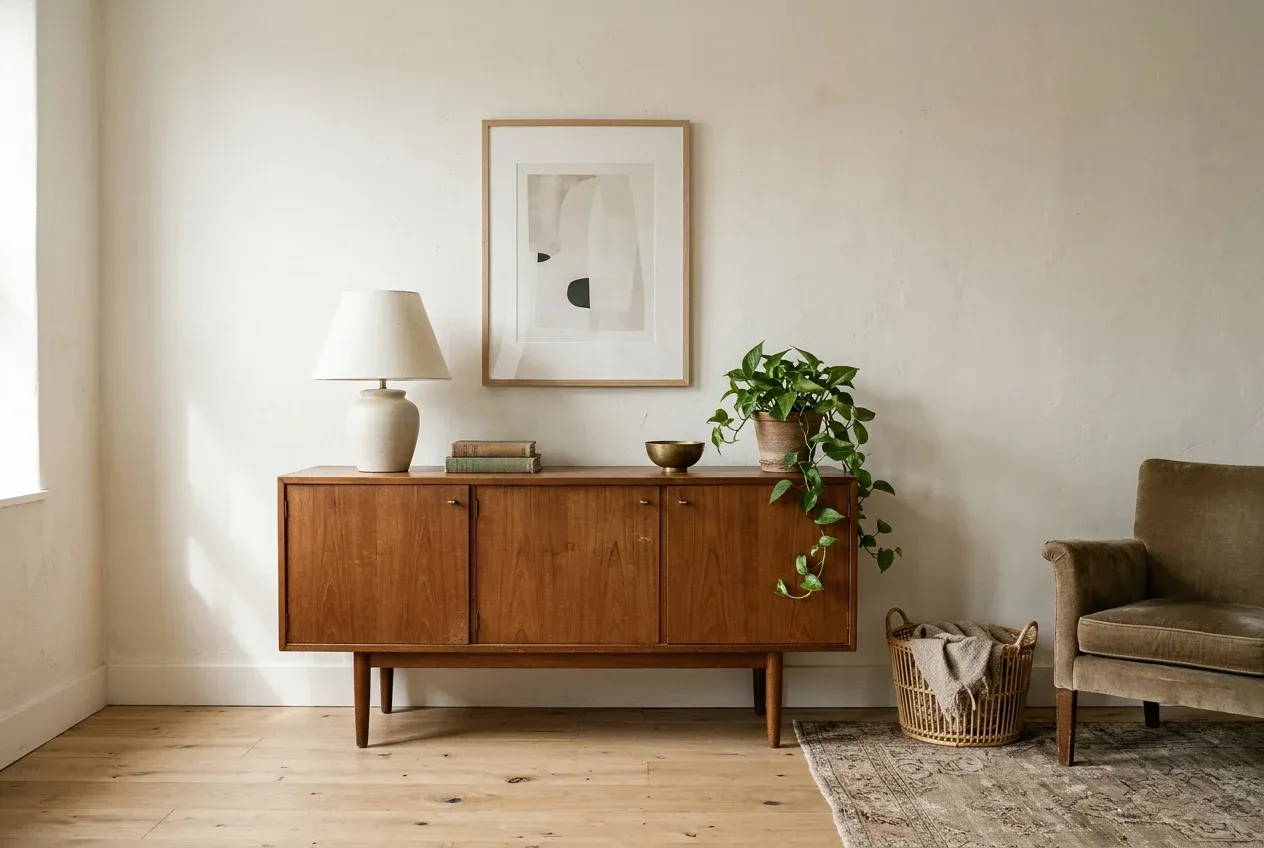
Room specifications
- Room ScaleSmall living room (about 9 x 11 ft) with one vintage sideboard
- Design StyleCollected Vintage Eclectic
- Budget TierMid-Range ($$)
- Palette Swatches4 colors
1. Antique, Vintage or Secondhand
Buying vintage furniture for a small apartment works best when you treat older pieces as custom-sized architecture rather than impulse finds, checking exact dimensions and joinery before you pay. By the common trade convention, antique furniture is roughly 100 years old or older, while vintage furniture covers pieces roughly 20 to 99 years old. Secondhand simply means previously owned, regardless of age or build quality.
Judge vintage furniture by depth and construction, not by age: age labels do not guarantee solid hardwood or apartment-friendly proportions. Mid-century dining sideboards and early-1900s chests were often built at narrower 16 to 18 in (41 to 46 cm) depths than modern big-box consoles, making them natural fits for a 9 x 11 ft (2.7 x 3.4 m) room. If you are pairing an older console with a compact work zone, see our vintage desk workspace guide or compare proportions against our small-space furniture selection guide.
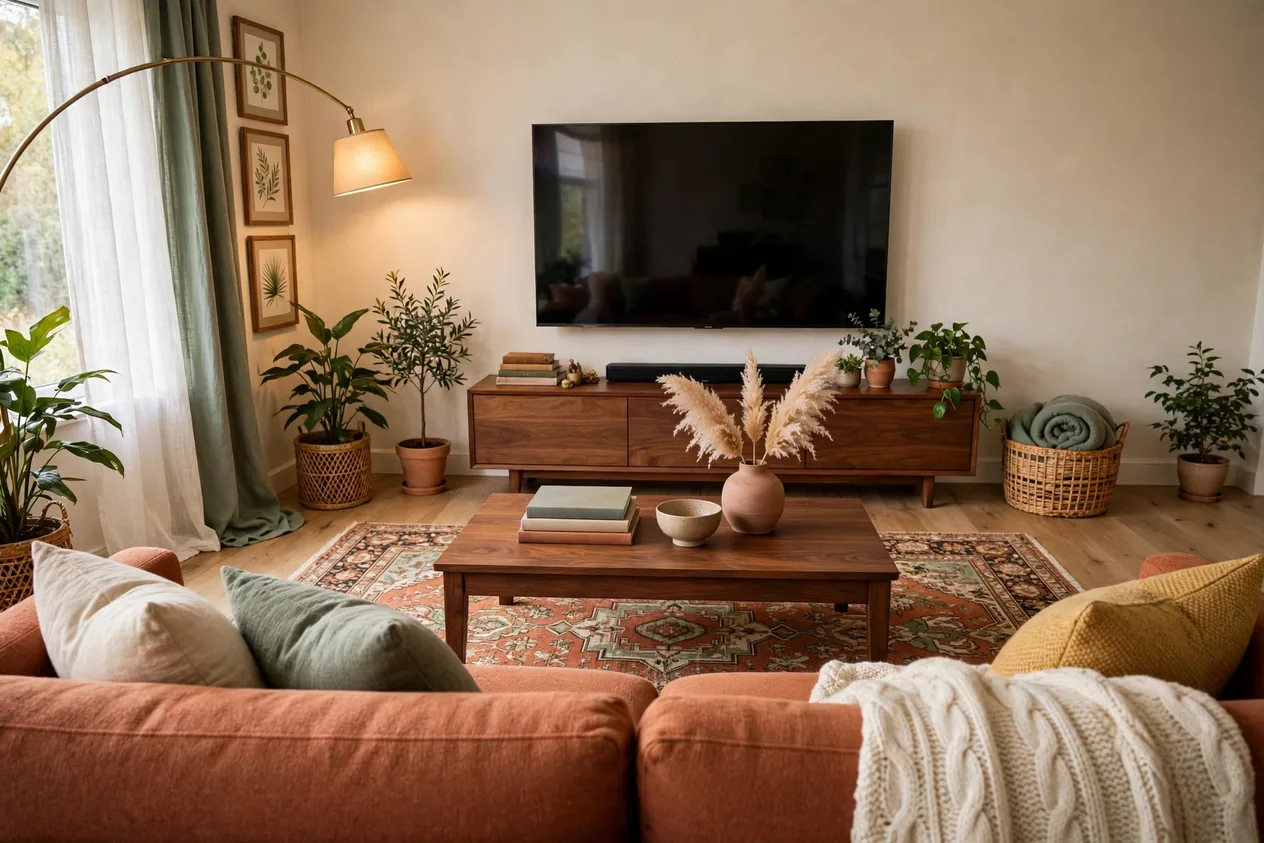
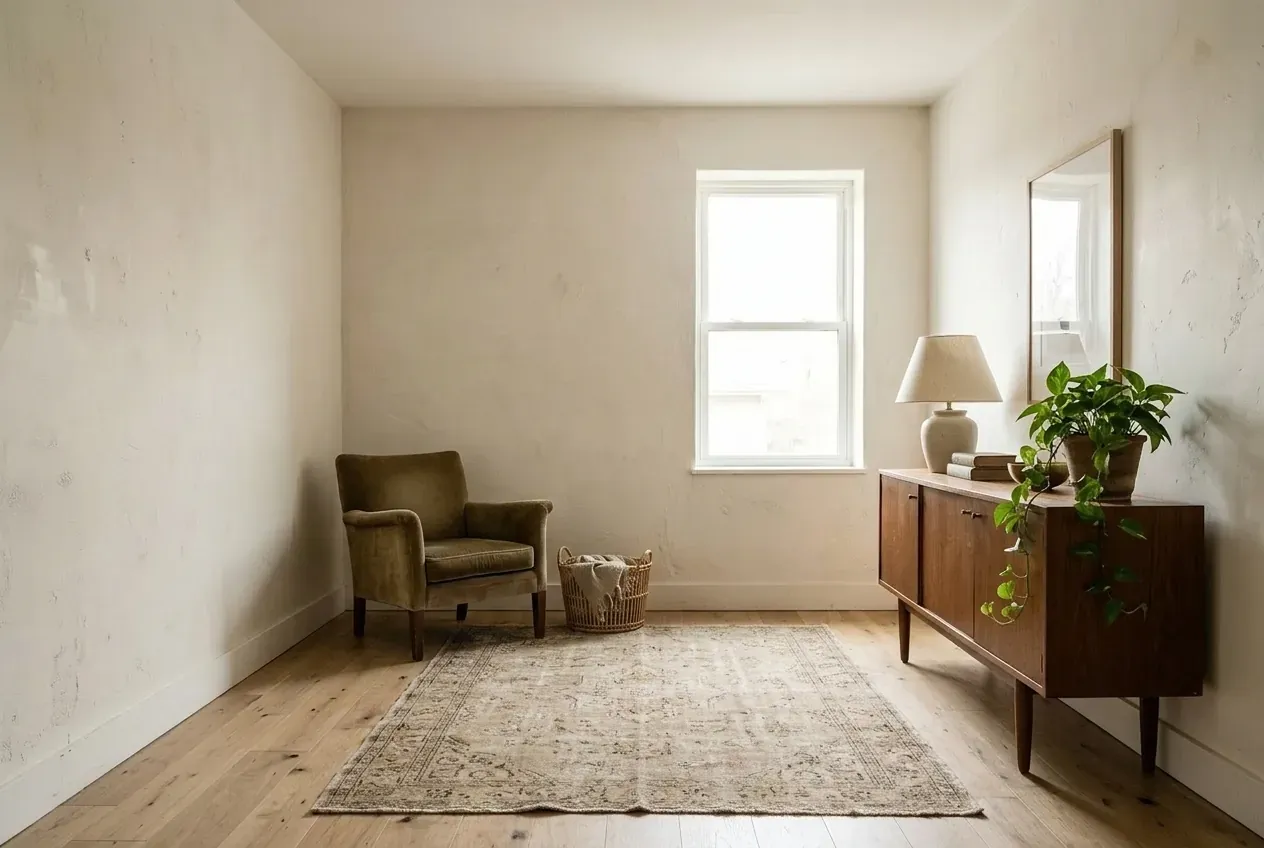 The same room seen from the opposite end, so you can judge the layout from the far side.
2. Measure Before You Fall for It
Vintage pieces predate standardized apartment door frames and modular flat-pack sizing, so never rely on photos alone. Bring a tape measure and record width, depth, height, and diagonal depth before bidding. A 36 in (91 cm) deep antique buffet consumes a full third of a 9 ft (2.7 m) wide living room before you even pull a drawer open.
Check the building path too:
- Entry Door Width: Standard apartment doors run 30 to 32 in (76 to 81 cm) wide; older solid-frame pieces rarely disassemble.
- Drawer Pull Clearance: Add 14 to 16 in (36 to 41 cm) to cabinet depth so drawers open without hitting a coffee table.
- Walkway Minimum: A common guideline is leaving 30 in (76 cm) of clear floor in front of a sideboard or small storage cabinet.
The size checks at a glance
| Check | Figure | Why |
|---|---|---|
| Older sideboard and chest depth | 16 to 18 in (41 to 46 cm) | Often narrower than modern big-box consoles |
| Entry door width | 30 to 32 in (76 to 81 cm) | Older solid-frame pieces rarely disassemble |
| Drawer pull clearance | Add 14 to 16 in (36 to 41 cm) to the cabinet depth | Drawers open without hitting a coffee table |
| Walkway in front of the piece | 30 in (76 cm) minimum | Clear floor once doors or drawers are open |
| Deep-piece warning | A 36 in (91 cm) deep buffet | Consumes a third of a 9 ft (2.7 m) wide room |
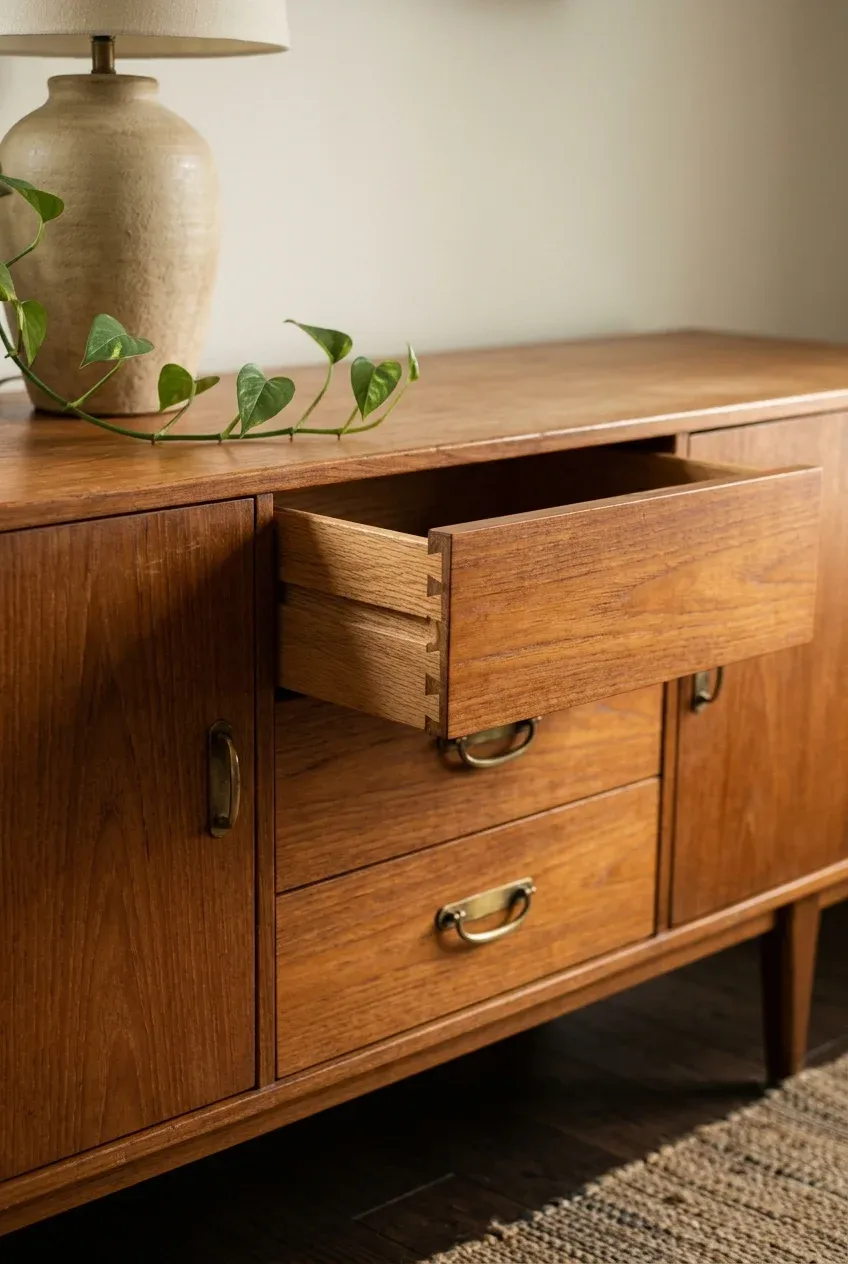
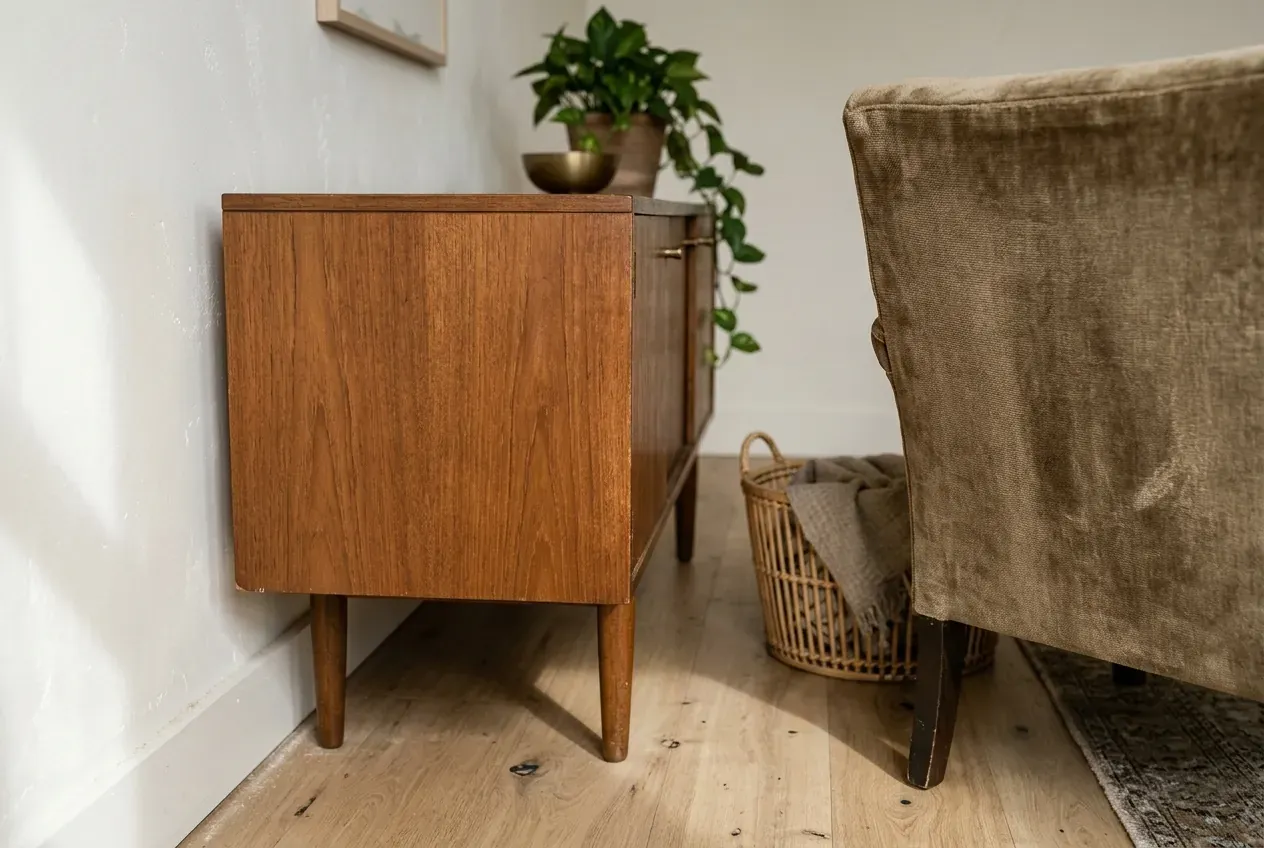 Close up: Measure width, depth and height before you bid, because vintage sizes are not standardized: a 36 in (91 cm) deep sideboard takes a third of a 9 ft (2.7 m) wide room.
3. Condition Tests You Can Do in Two Minutes
You can spot structural trouble in under two minutes without specialist tools. First, press firmly down on opposite corners of the top surface to test for racking or loose tenons. Second, pull a drawer all the way out: clean dovetail joints and solid wood runners indicate durable joinery, whereas hot glue, mismatched Phillips screws on an older frame, or swollen particleboard signal hasty repairs.
Next, run your hand along the top edges and lower legs to feel for bubbling or chipped veneer—small edge chips are easy to patch, but water-damaged, lifting veneer across a whole top requires stripping. Finally, lean in and smell the closed interior. Faint cedar or teak oil #8A5A33 is normal; heavy damp mildew or stale cigarette smoke penetrates unfinished wood pores and lingers in a small room.
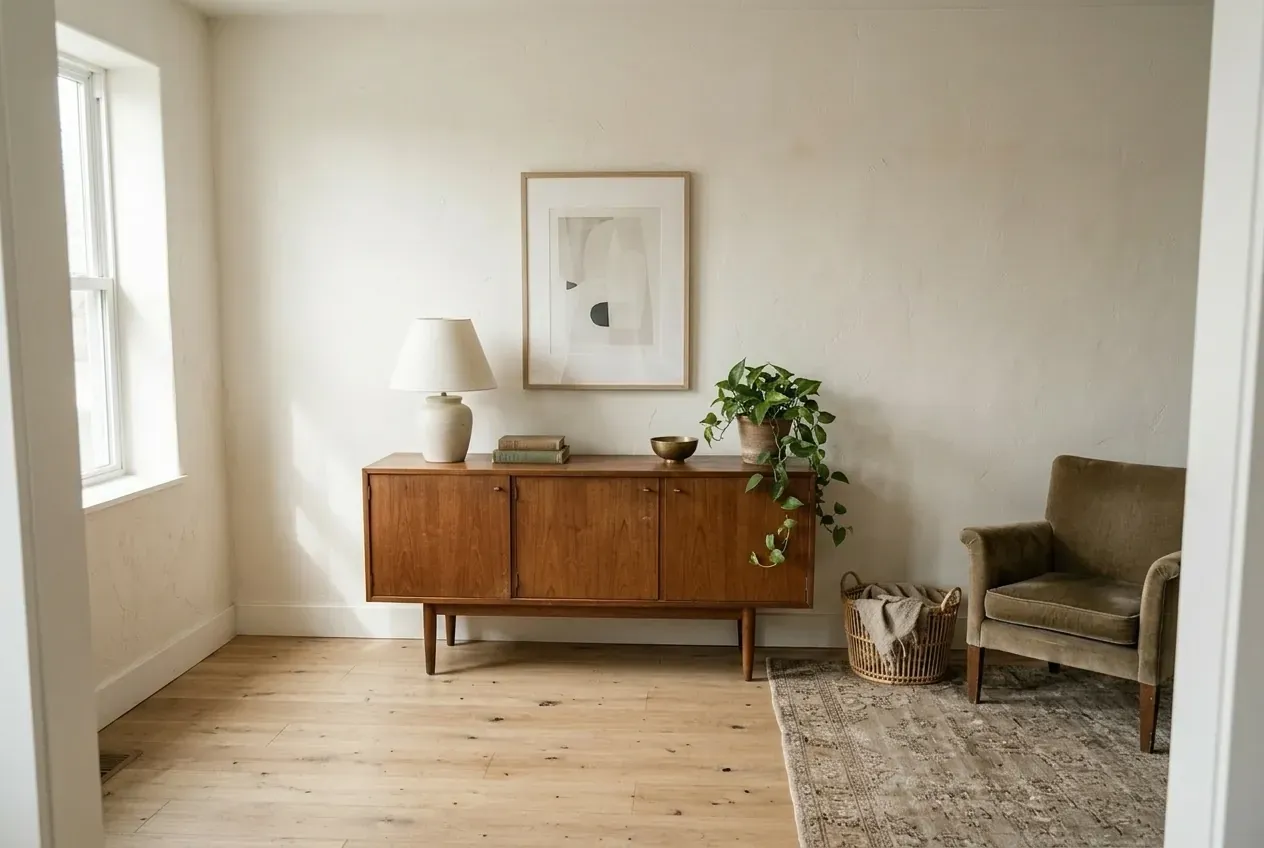 From above and to one side, the full footprint and the walkway read at a glance.
4. Which Pieces Suit a Small Room
Not every vintage category earns its footprint in a compact home. A 48 in (122 cm) wide teak sideboard on tapered legs keeps floor sightlines open, while a slim writing desk, a pair of nesting side tables, or a single sculptural lounge chair adds character without crowding traffic.
For colour balance, let aged parchment #F3EBDD walls and warm teak oil #8A5A33 wood carry most of the room, grounded by ebonised oak #2D211A picture frames and patina brass #C9A55B lamp hardware. Stick to one or two substantial vintage pieces per room—usually one casegood on the main wall and one accent chair—so the space reads collected rather than crowded.
Practical Transport & Placement Notes
When arranging delivery for a vintage sideboard or armchair, measure the hallway turning radius as carefully as the front door. A 48 in (122 cm) wide sideboard at 30 in (76 cm) tall pivots easily through a 30 in (76 cm) doorway when stood upright, whereas a 60 in (152 cm) credenza with fixed legs can jam on an L-shaped landing. Keep felt pads under tapered legs to protect rental hardwood, and wipe older teak surfaces twice a year with a dry cloth rather than silicone spray, which leaves a cloudy film over aged lacquer.
Finally, check whether a vintage piece needs minor hardware swaps before moving it in: replacing missing 1960s drawer pulls with matching aged brass knobs takes five minutes, whereas hunting down custom-sized mortise locks can take months. Keep a small notebook of your exact wall lengths—for instance, 108 in (274 cm) on the main sofa wall and 64 in (163 cm) beside the window—in your phone so you can make confident, fast decisions at estate sales without second-guessing scale.
Curated Color Palette & Key Textures
- Aged Parchment #F3EBDD
- Patina Brass #C9A55B
- Teak Oil #8A5A33
- Ebonised Oak #2D211A
General references
Dimensions in these guides are typical planning ranges, not legal minimums, and they can differ by jurisdiction. Use the references below as starting points, then confirm local code and your lease before making changes.
FAQ
What is the difference between antique and vintage furniture?
By the common trade convention, antique means about 100 years old or more and vintage means roughly 20 to 99 years old. Dealers and auction houses vary, so check how the seller defines it.
How do I check vintage furniture is solid?
Pull a drawer to see dovetail joints, press down on the frame for wobble, look for fresh glue or unmatched screws, and smell the inside for damp or smoke before you pay.
Is vintage furniture good for small apartments?
Often yes, because older pieces tend to be smaller and better built, but sizes vary widely, so measure the piece and the doorway before you buy.
Save this idea

Keep reading
Related rooms
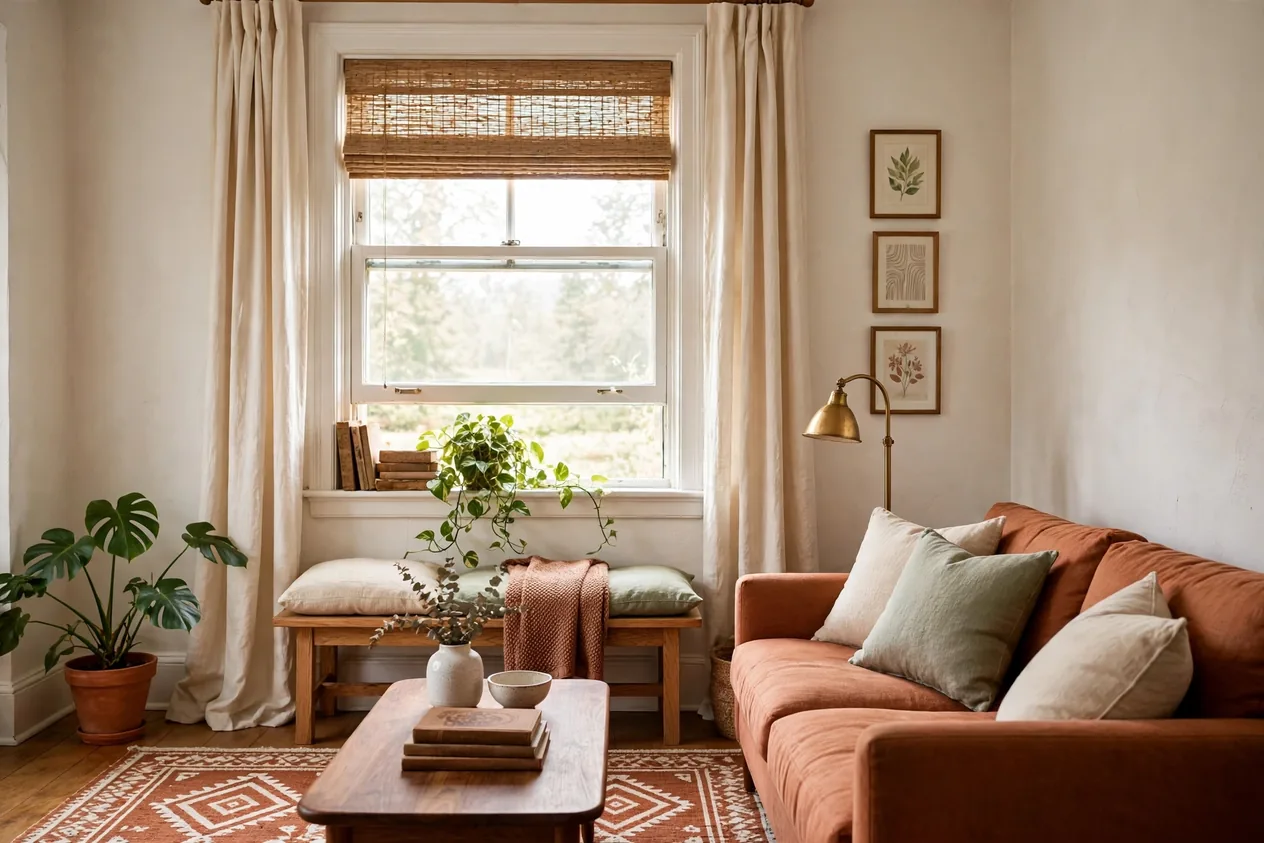
Standard Window Sizes: 24 x 36 to 48 x 72 in Chart
Standard window sizes in inches and cm: most run 24 to 48 in wide by 30 to 72 in high, and a bedroom window needs a 5.7 sq ft clear opening for egress.
TV Dimensions by Screen Size: 65 in Is 56.7 x 31.9 in
TV dimensions by screen size in inches and cm: a 65 in TV is 56.7 x 31.9 in, a 55 in is 47.9 x 27.0 in, plus the viewing distance and stand width for each.
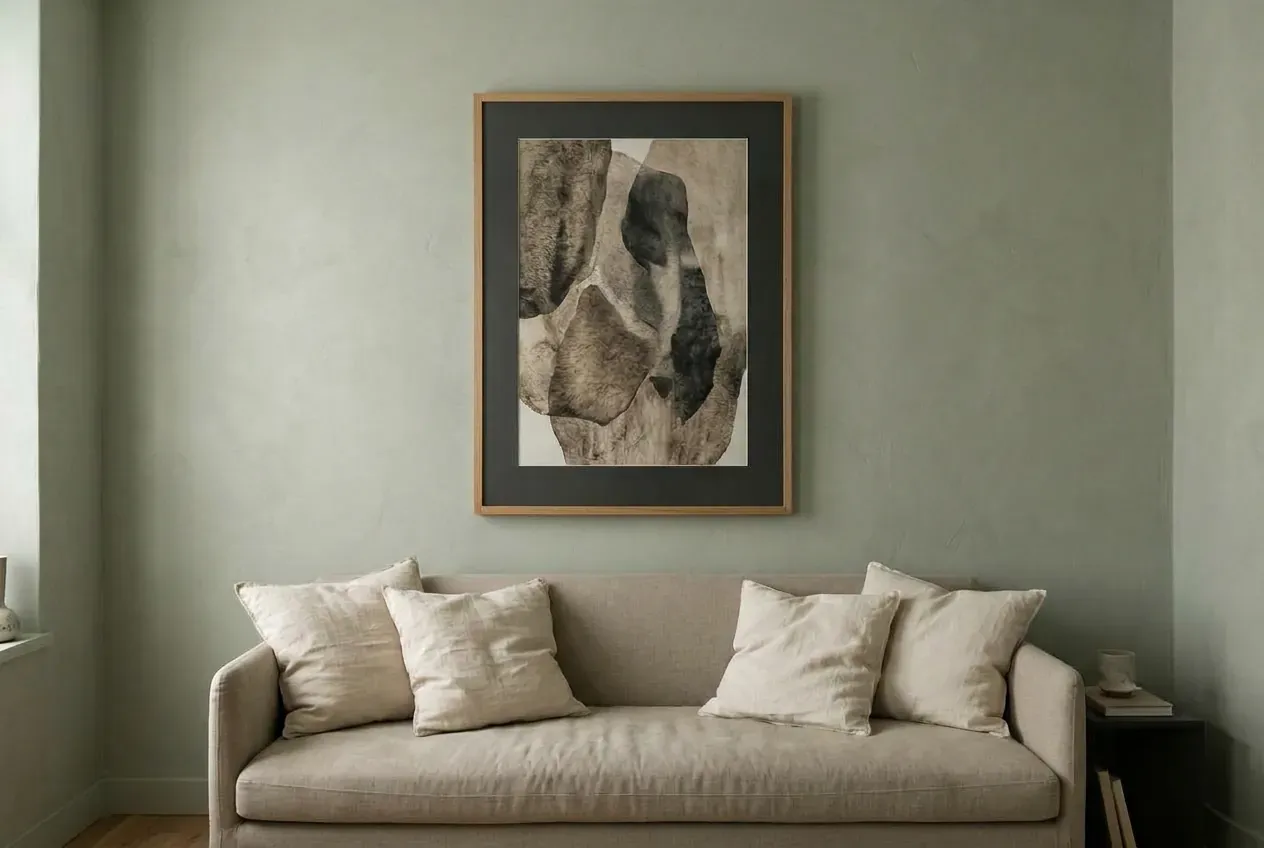
How High to Hang Pictures: 57 in (145 cm) Center
Hang pictures with the center 57 in (145 cm) up, the frame bottom 7 to 10 in (18 to 25 cm) above a sofa, and frames 2 to 3 in (5 to 8 cm) apart.