Maximalist Decor in a Small Apartment, Done Well
Maximalist decor in a small space without the clutter: the three-clutter limit, pattern scale rules, and a gallery wall that works in an 11x13 ft room.
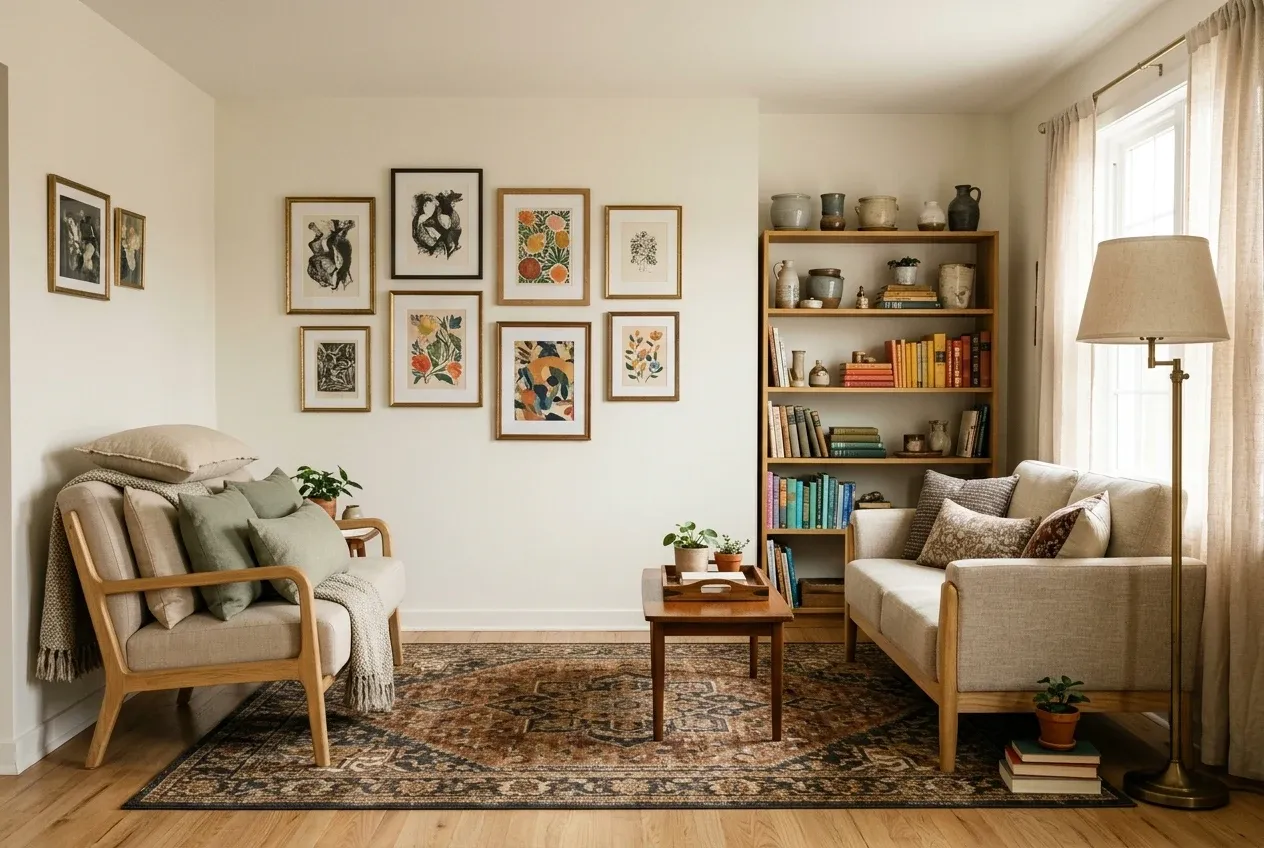
Room specifications
- Room ScaleSmall living room (about 11 x 13 ft)
- Design StyleWarm Maximalist
- Budget TierMid-Range ($$)
- Palette Swatches4 colors
Maximalism is frequently misunderstood as an excuse to cover every flat surface with souvenirs, mismatched pillows, and unframed posters. In a sprawling house, excessive layering might pass as eccentric charm; in an 11x13 foot apartment living room, unedited accumulation immediately reads as cramped, dusty, and stressful.
Done well, warm maximalism feels richly collected rather than chaotic. The secret lies in disciplined spatial boundaries: concentrating visual abundance into three deliberate zones while preserving negative space everywhere else. By balancing expressive layering against the proportional discipline found in How to Style Bookshelf Designer Rules and Small Living Room Furniture Scale Ratios, you gain personality without sacrificing calm.
1. Cap the Busy Zones and Scale the Patterns
Control visual noise in compact rooms by capping the number of busy zones and scaling patterns deliberately.
| Design Parameter | Unedited “Tacky” Clutter | Disciplined Small Maximalism | Visual Impact on 11x13 ft Room |
|---|---|---|---|
| Busy Focal Zones | 6+ scattered surfaces | Max 3 clusters per room | Concentrates interest so eyes aren’t pulled in every direction. |
| Pattern Repeat Scale | 1–3 in micro-prints | 12 in (30 cm) + bold scale | Large patterns read architectural; tiny repeats buzz like static. |
| Gallery Frame Spacing | Random 4–8 in gaps | Strict 2 in (5 cm) grid gap | Tight, uniform spacing turns eight frames into one cohesive block. |
| Shelf Object Density | 100% packed edge-to-edge | 70% collected / 30% open | Negative pockets let sculptural ceramics breathe. |
| Walkway & Table Tops | Crowded with trinkets | 100% clear circulation | Preserves physical flow and gives the nervous system relief. |
Editing rule: What counts as a cluster? One gallery wall counts as Cluster 1; one styled bookcase counts as Cluster 2; one sofa layered with patterned cushions and throws counts as Cluster 3. Once you hit three, every other wall, windowsill, and table edge stays serene.
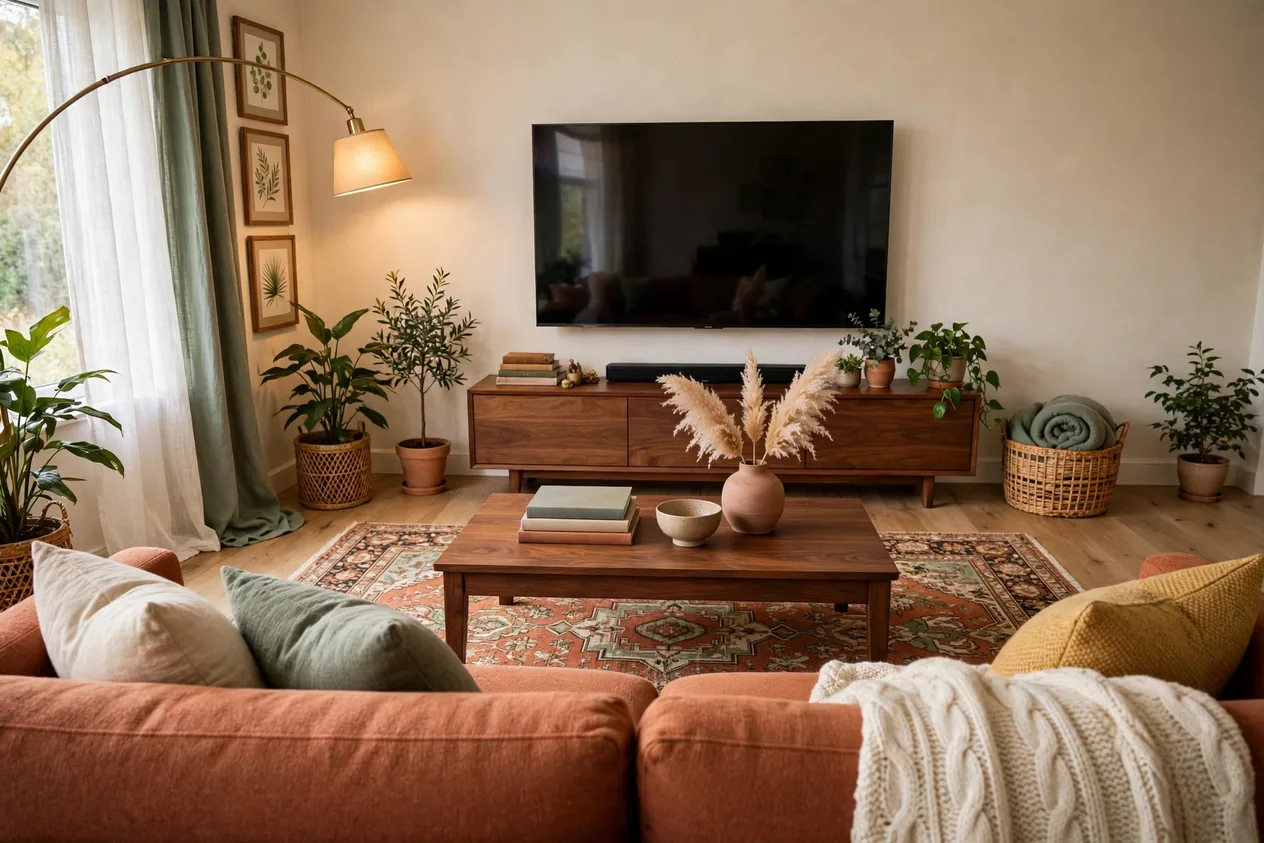
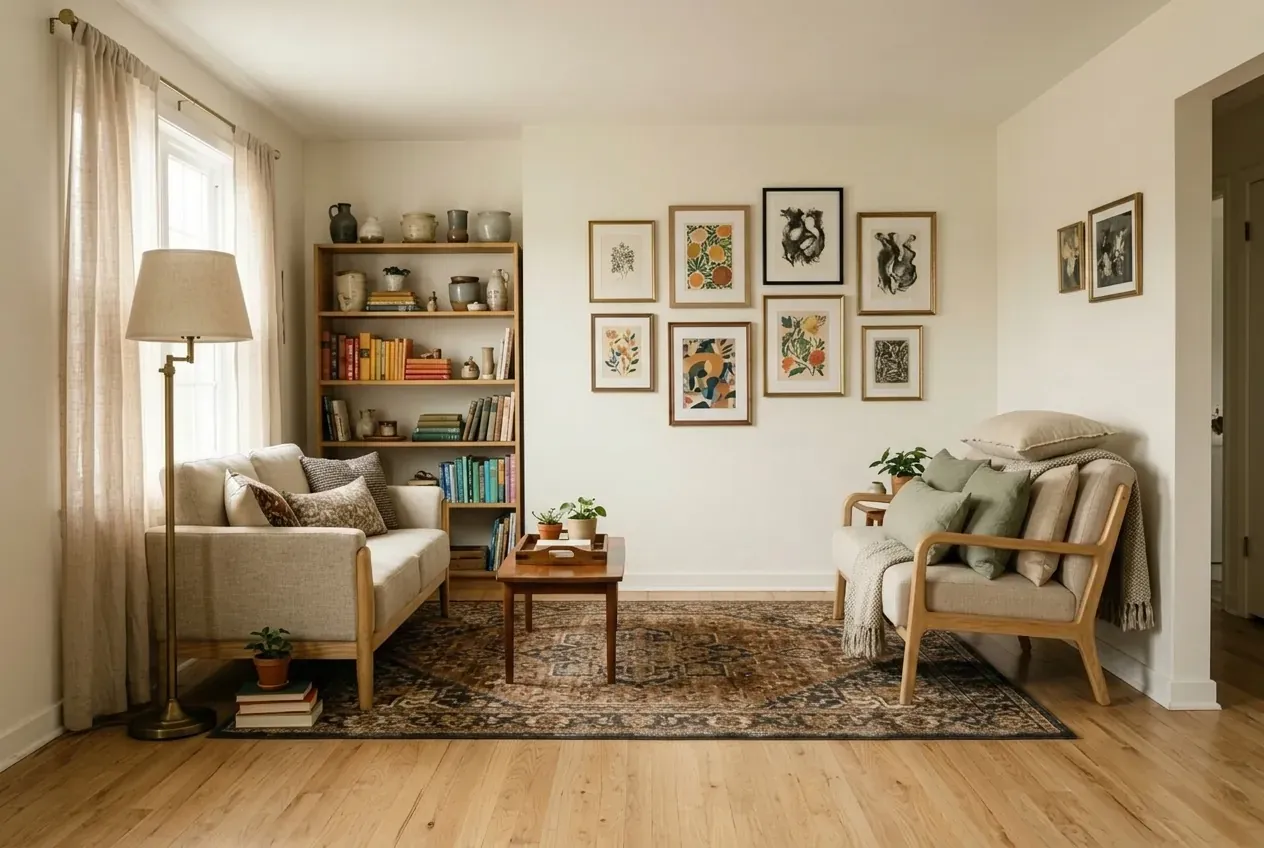 The same room seen from the opposite end, so you can judge the layout from the far side.
2. Pattern Scale in a Small Room
- The 12-Inch Repeat Rule: When choosing a patterned area rug or accent drape, look for motifs that repeat every 12 inches (30 cm) or wider. Tiny 2-inch ditsy prints blur together across a small room, making walls feel closer.
- Put the Boldest Pattern Underfoot: Anchor the lowest plane of the room with a large-scale patterned rug, keeping the sofa upholstery in quiet Oat Linen (
#D9CDB8). Because the floor is visually grounded, upper walls stay airy. - Contrast with Minimalist Discipline: Even warm maximalists benefit from the crisp editing logic in Minimalist Kitchen Palettes Using Open Shelving—repeat two core materials (like aged brass and light oak) across every collected zone so disparate pieces feel related.
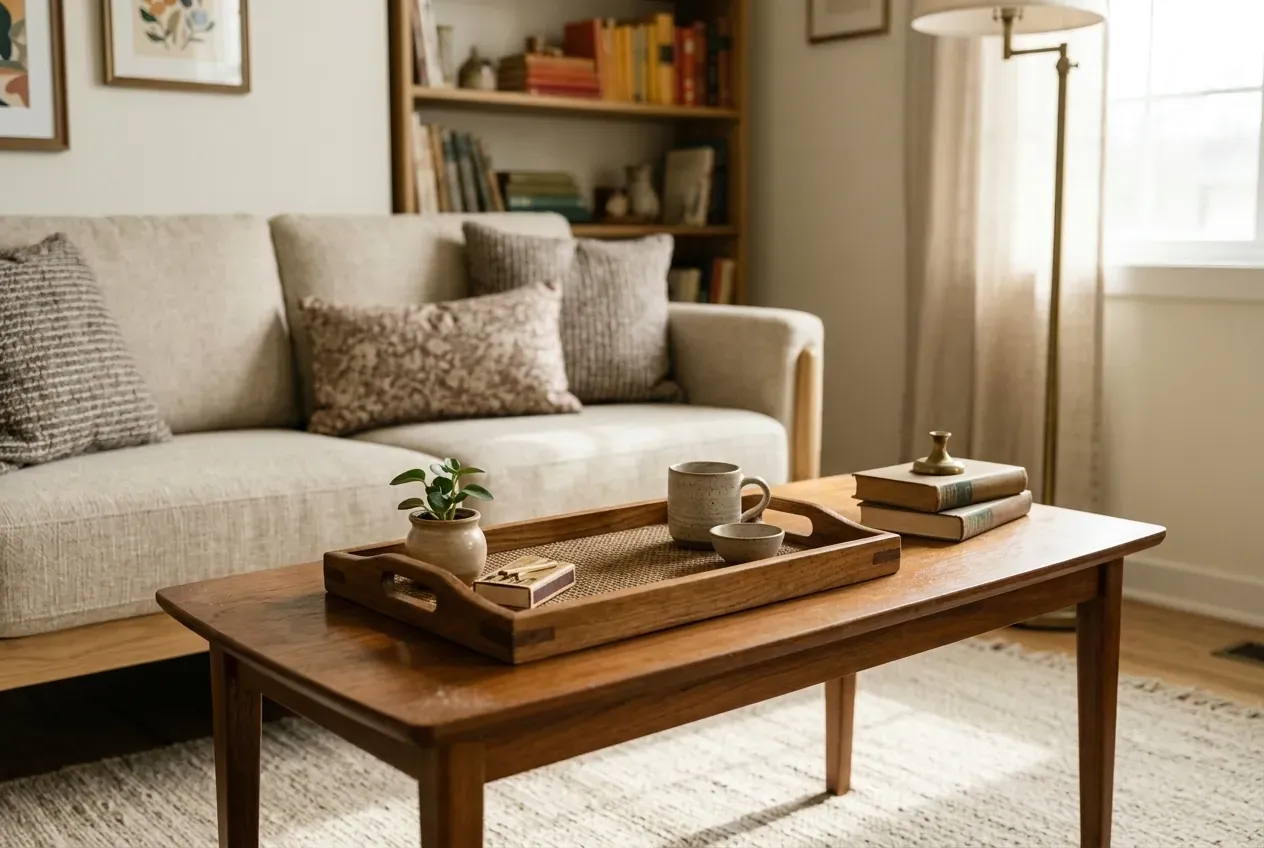 Close up: Cap busy surfaces at 3 clutter clusters per room, each no wider than 18 in (46 cm), so maximalism reads as collected.
3. Where to Put the Abundance
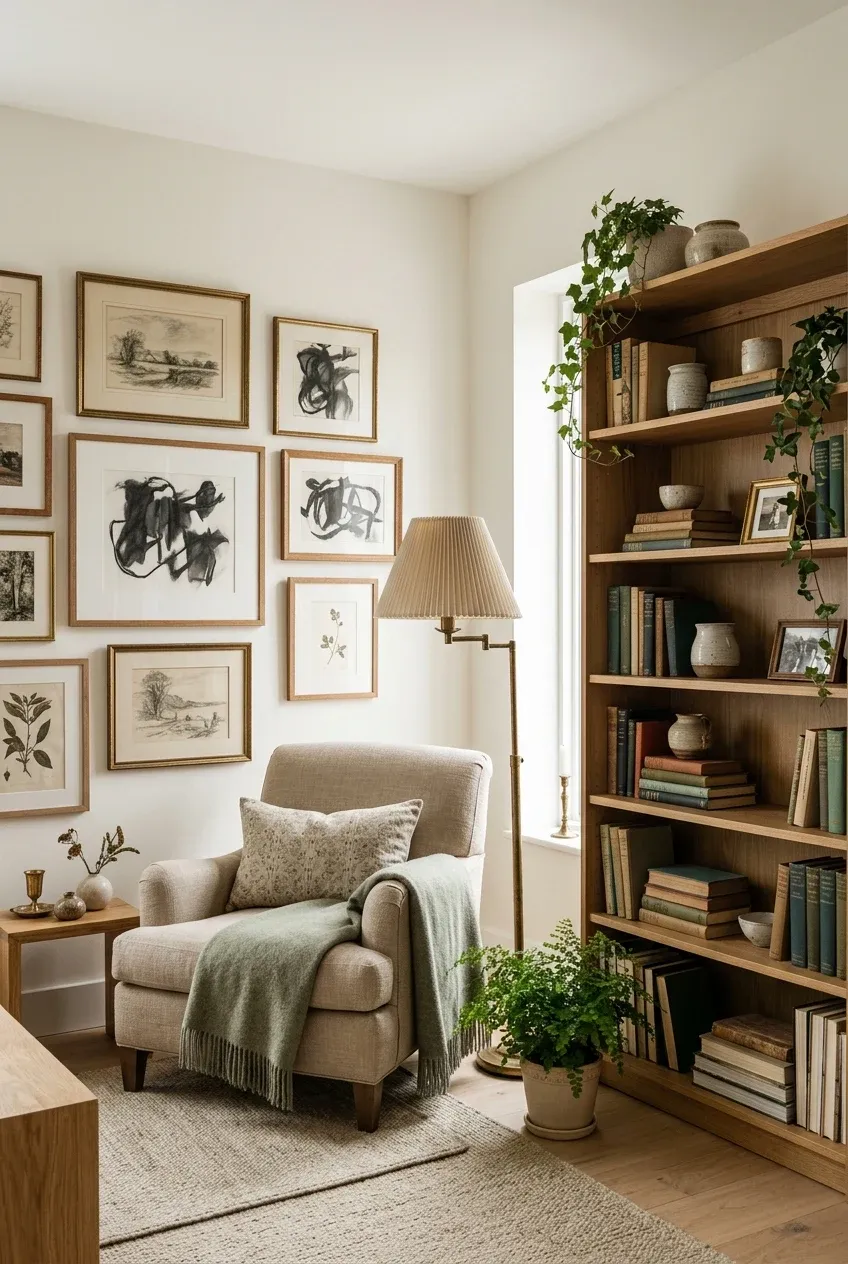
Setup A: The Anchored Gallery Wall (Cluster 1)
Engineered for the main wall behind an 80-inch apartment sofa.
- Composition: Eight framed artworks mixing Aged Brass (
#B89255) and Light Oak (#C9A97C) frames, spaced exactly 2 inches apart inside an invisible 60 x 40 inch rectangle. - Matting: Generous 3-inch alabaster paper mats inside every frame unify varied vintage prints and photography.
Setup B: The Collected Oak Shelf (Cluster 2)
Optimized for a narrow living room alcove beside the window.
- Styling: Stack hardcover art monographs horizontally as pedestals for handmade stoneware vessels, keeping 30% of each shelf completely empty.
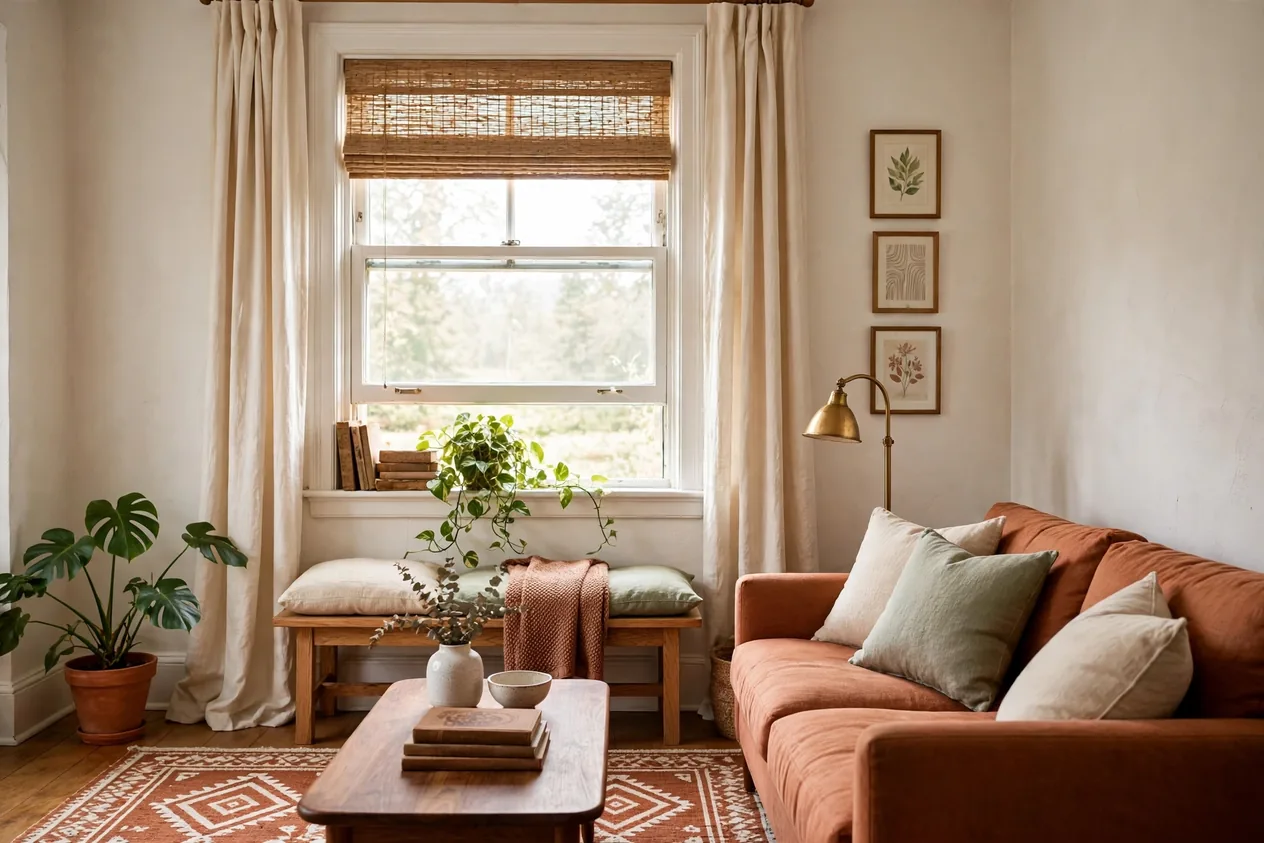
Setup C: The Layered Textile Corner (Cluster 3)
Designed for the primary lounge sofa and adjacent floor lamp.
- Layering: Mix three distinct textures—bouclé, washed linen, and ribbed wool—within the same warm neutral and sage palette.
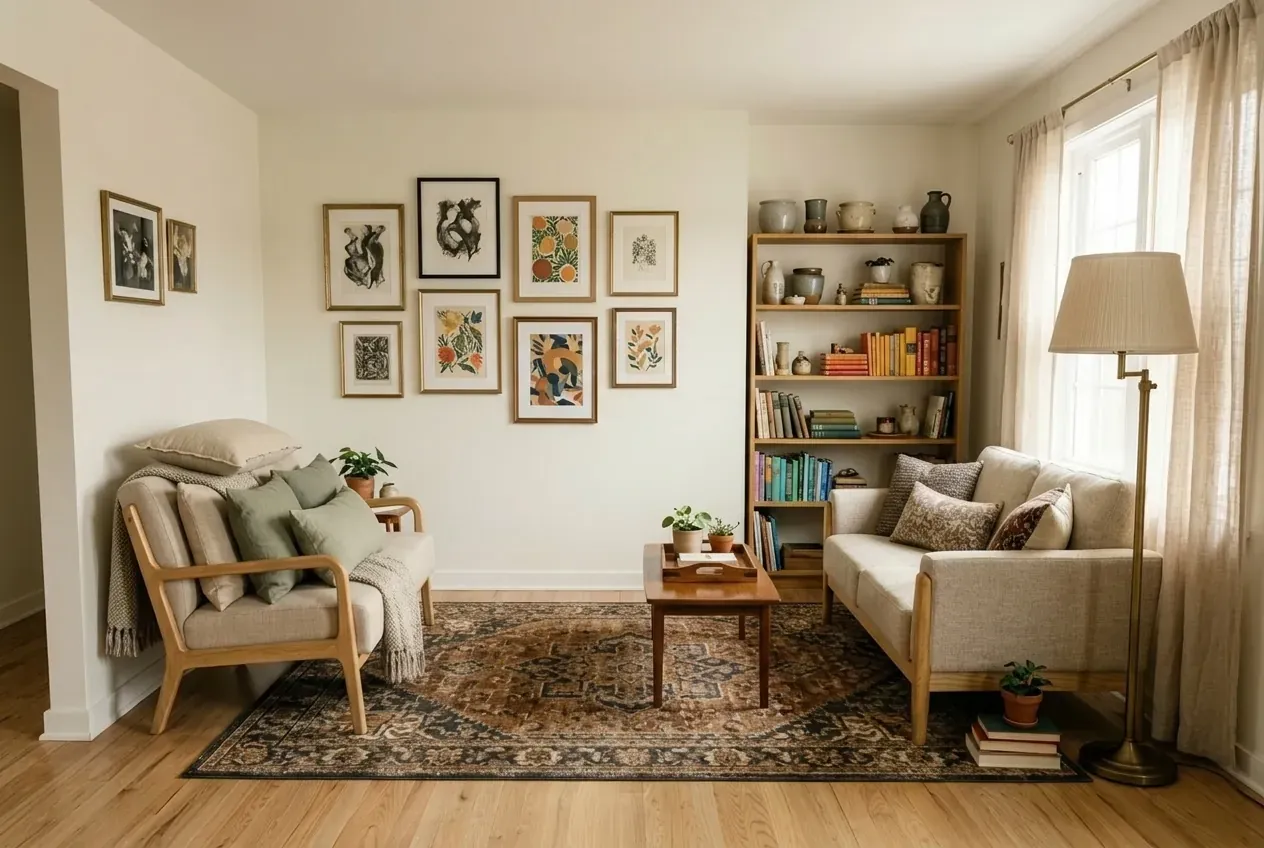 From above and to one side, the full footprint and the walkway read at a glance.
4. Balancing Color, Pattern and Empty Space
Invert traditional minimalism while keeping one strict anchor. Roughly 60% of the room carries rich color and material: Warm Alabaster Chalk (#F5F2EB) walls paired with Light Oak (#C9A97C) furniture and brass hardware. About 30% carries intentional pattern, through a large-scale woven rug and curated gallery artwork. The last 10% stays empty, with unadorned wall margins, clear floorboards, and clean tabletops so the room never feels overwhelming.
Stand in the doorway at the end of styling and remove one small object from each cluster—that final edit is what separates collected maximalism from clutter. Editing one item per cluster preserves open sightlines and lets your favorite vintage pieces stand out clearly.
Curated Color Palette & Key Textures
- Alabaster Chalk #F5F2EB
- Oat Linen #D9CDB8
- Aged Brass #B89255
- Charcoal Ink #2F3135
General references
Dimensions in these guides are typical planning ranges, not legal minimums, and they can differ by jurisdiction. Use the references below as starting points, then confirm local code and your lease before making changes.
FAQ
How do I do maximalism in a small room?
Group collected objects into no more than three intentional focal zones—such as one gallery wall, one styled bookcase, and one layered textile sofa—while keeping the surrounding walls and floors calm.
Does maximalism work in a small apartment?
Yes, when anchored by a consistent three-color palette and large-scale patterns (12-inch repeats or larger) rather than dozens of tiny competing knick-knacks.
How do I stop maximalist decor looking cluttered?
Leave at least 10% of every room completely bare as visual breathing room, keep coffee tables clear of small trinkets, and repeat frame finishes across gallery walls.
Save this idea

Keep reading
Related rooms
Standard Window Sizes: 24 x 36 to 48 x 72 in Chart
Standard window sizes in inches and cm: most run 24 to 48 in wide by 30 to 72 in high, and a bedroom window needs a 5.7 sq ft clear opening for egress.
TV Dimensions by Screen Size: 65 in Is 56.7 x 31.9 in
TV dimensions by screen size in inches and cm: a 65 in TV is 56.7 x 31.9 in, a 55 in is 47.9 x 27.0 in, plus the viewing distance and stand width for each.
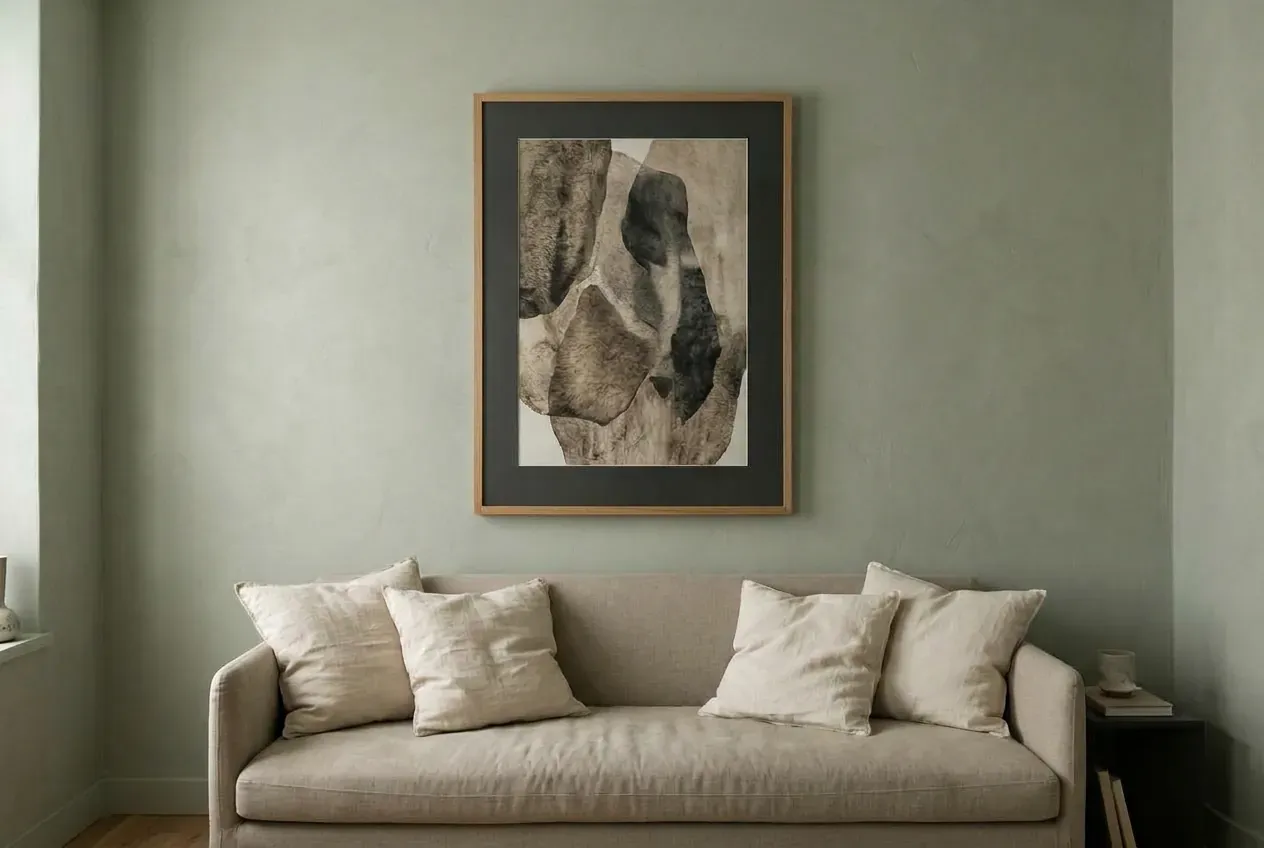
How High to Hang Pictures: 57 in (145 cm) Center
Hang pictures with the center 57 in (145 cm) up, the frame bottom 7 to 10 in (18 to 25 cm) above a sofa, and frames 2 to 3 in (5 to 8 cm) apart.